Darien Location
Will My Teeth Shift Back After Braces Are Removed?


Getting your braces removed is a big milestone. Your smile looks straighter, your confidence improves, and everything feels worth it. But one common concern remains: will your teeth stay in place, or will they shift back over time? The short answer is that some movement is natural, but with the right care, you can maintain your results for years.
Why Do Teeth Shift After Braces?
Teeth are not fixed permanently in place. They are supported by ligaments and bone that respond to pressure and changes. After braces are removed, these tissues need time to stabilize.
Even after successful alignment, your teeth can gradually move due to:
- Natural aging and jaw changes
- Daily habits like chewing or grinding
- Lack of proper retainer use
- Gum and bone health conditions
This process is called orthodontic relapse. It’s common but manageable.
The Role of Retainers in Keeping Teeth Straight
What Do Retainers Do?
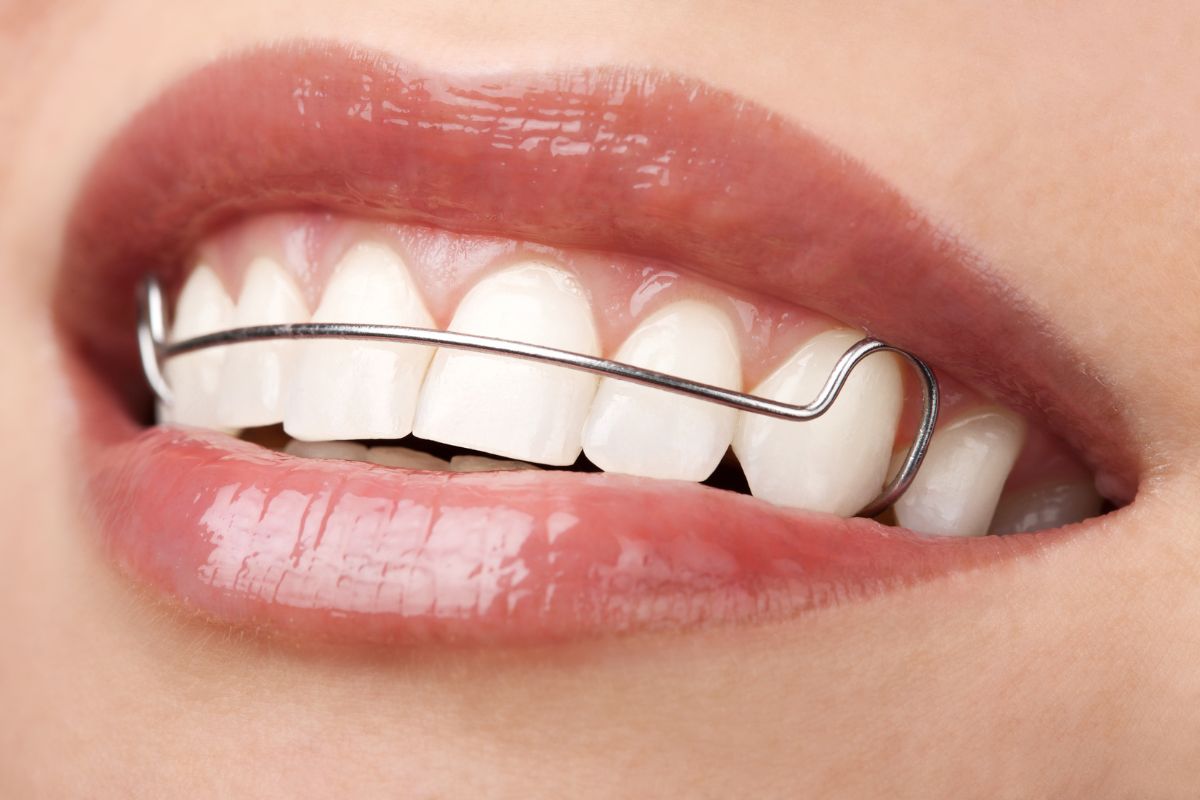
Retainers are essential after braces. They hold your teeth in their new position while the surrounding bone stabilizes. Without them, teeth can slowly drift back.
How Long Should You Wear Them?
Retention is a long-term commitment. Many orthodontists recommend:
- Full-time wear for the first few months
- Night-time wear indefinitely
Skipping retainer use is the most common reason teeth shift back.
How Much Shifting Is Normal?
Slight movement is completely normal. Your teeth may feel a little different after braces, especially in the first few weeks. However, noticeable crowding or gaps reopening is not ideal and should be addressed early.
Factors That Influence Teeth Movement
1. Age and Growth Changes
As you age, your jaw structure can change slightly. This can cause minor crowding, especially in the lower front teeth.
2. Oral Habits
Habits like nail biting, teeth grinding, or tongue thrusting can apply pressure on teeth, leading to movement.
3. Gum and Bone Health
Healthy gums and bone support are crucial. Periodontal issues can weaken the foundation and allow teeth to shift.
4. Original Alignment Issues
More complex cases may have a higher chance of relapse without proper retention.
What Happens If You Don’t Wear Your Retainer?
If you stop wearing your retainer, your teeth can begin to shift within weeks. Over time, this movement becomes more noticeable and harder to correct without additional orthodontic care.
In some cases, patients who completed braces treatment in Rye, NY may notice slight changes if retention guidelines are not followed closely. This highlights how important post-treatment care is for maintaining results.
Can Teeth Be Fixed Again If They Shift?
Yes, teeth can be realigned if they shift. However, early intervention is key. Minor movement may be corrected with updated retainers, while more significant changes may require further orthodontic treatment.
If you notice changes, it’s best to consult an orthodontist near you who can evaluate your situation and recommend the right solution.
Tips to Prevent Teeth from Shifting
Stay Consistent with Retainers
This is the most important step. Follow your orthodontist’s instructions carefully.
Maintain Good Oral Hygiene
Healthy gums and bone support help keep teeth stable.
Avoid Harmful Habits
Reduce habits like grinding, chewing hard objects, or nail biting.
Attend Regular Checkups
Routine visits help detect early signs of movement.
What Do Experts Say?
Orthodontic professionals emphasize that retention is just as important as the braces phase. Many patients believe treatment ends when braces come off, but in reality, retention is the key to long-term success.
Patients often consult our orthodontists such as Dr. Maro, Dr. Graham, and Dr. Danielle Piano for guidance on maintaining alignment after treatment. If you are searching for an orthodontist near Rye it’s important to choose someone who emphasizes long-term care and retention planning.
Teeth Movement Timeline After Braces
| Time After Braces | What to Expect |
|---|---|
| First 3 months | Highest risk of shifting |
| 3–12 months | Gradual stabilization |
| 1+ years | Minor natural movement possible |
| Long term | Retainers help maintain alignment |
Trending FAQs
- Do teeth always shift after braces?
No, but slight movement is normal. Retainers prevent major shifting. - How fast do teeth move without retainers?
Teeth can begin shifting within a few weeks. - Can I stop wearing my retainer after a year?
Most experts recommend lifelong night-time wear. - Is shifting after braces common?
Yes, especially if retainers are not used properly. - Can retainers fix minor shifting?
Yes, in many cases retainers can correct small changes.
When Should You Be Concerned?
You should consult a professional if you notice:
- Crowding returning
- Gaps reopening
- Bite changes
- Difficulty wearing your retainer
Early action prevents bigger issues later.
A straight smile doesn’t maintain itself—it requires consistent care and attention. While some natural movement is expected, proper retainer use and healthy habits can keep your teeth aligned for years. If you ever feel unsure about changes in your smile, scheduling a visit can provide clarity and reassurance. Schedule an appointment and keep your smile on track.