Darien Location
Why Some Orthodontists Still Prefer Traditional Braces Over Lingual


A straight smile boosts confidence and health. Yet with so many options, choosing the right path feels overwhelming. Orthodontists guide patients through this. They weigh factors like lifestyle and needs. Traditional braces hold a strong appeal for many pros. Let’s explore why they often win out.
Understanding the Basics of Braces Types
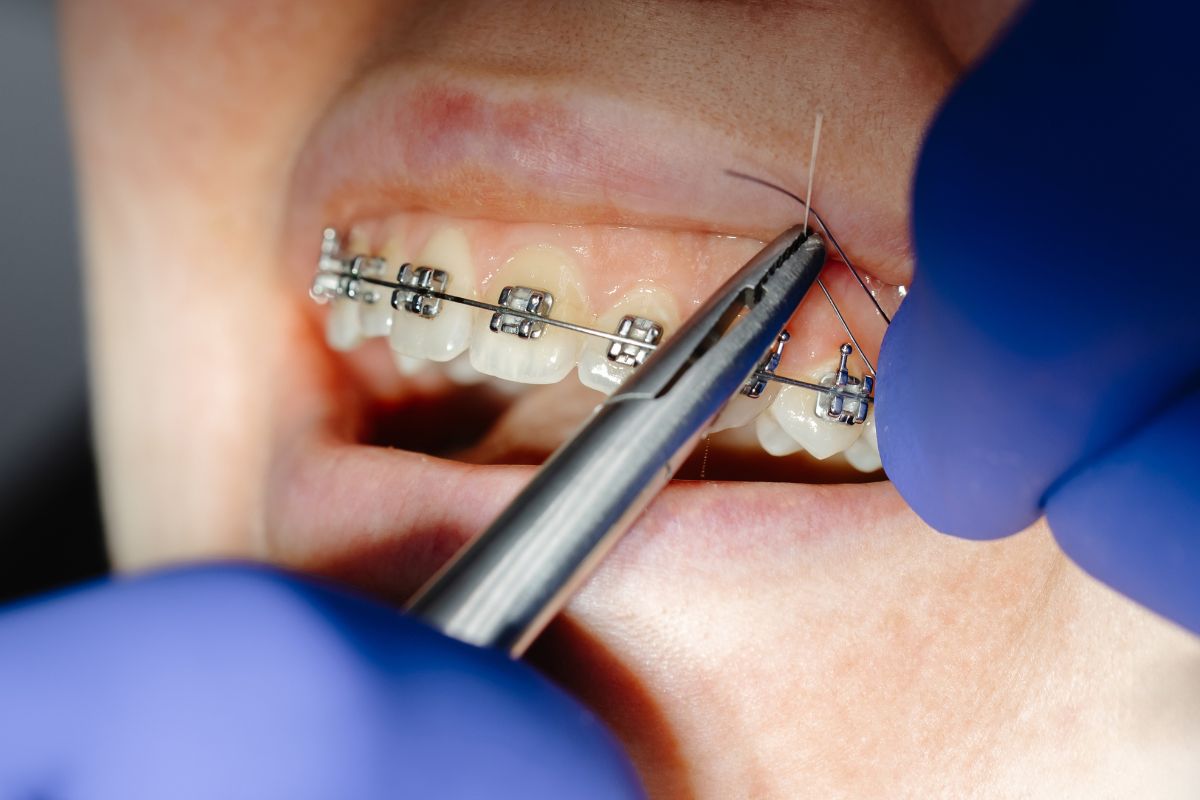
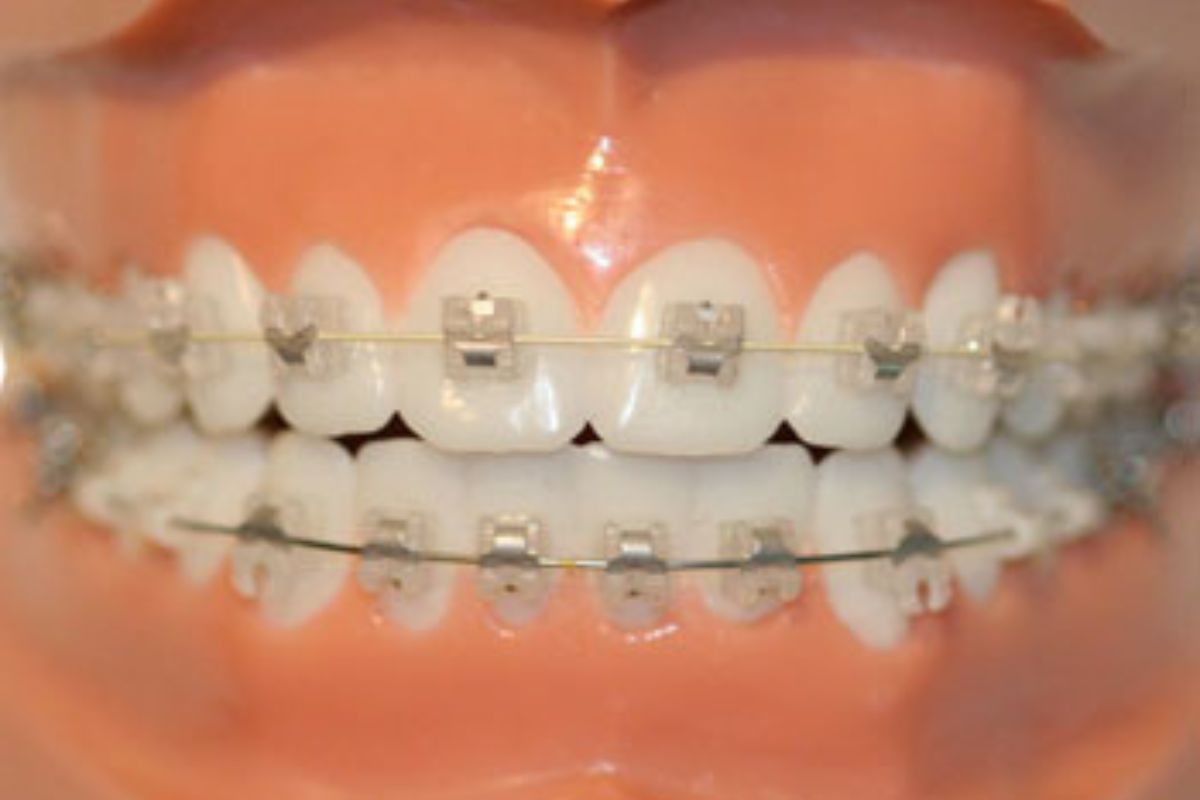
Traditional braces use metal brackets on tooth fronts. Wires connect them to shift teeth slowly. Lingual braces hide behind teeth. Both aim for alignment. Yet differences matter. Traditional ones allow easy tweaks. Lingual demand custom fits. Patients seek discreet fixes. Orthodontists assess case complexity first.
Key Advantages of Traditional Braces
Traditional braces handle tough cases well. They correct severe bites and crowding. Adjustments happen fast in visits. This speeds progress. Visibility lets pros monitor changes closely. Patients adapt quickly to speech. Comfort improves over time. Many find them reliable for results.
Orthodontists value the control traditional braces offer. Wires apply precise force. Brackets bond firmly. This leads to predictable outcomes. For active lifestyles, they endure sports or play. Durability stands out. Experts train widely on them. Skills transfer easily across practices.
Common Challenges with Lingual Braces
Lingual braces appeal for their hidden look. Yet they pose hurdles. Tongue contact causes initial soreness. Speech may slur at the start. Cleaning proves tricky. Food traps behind teeth. Adjustments take longer due to access. Not every case suits them. Complex alignments may need alternatives.
Patients report more irritation early on. Adaptation stretches weeks. Orthodontists note higher maintenance. Brushing requires special tools. Some avoid lingual braces for these reasons. Traditional options sidestep many issues.
When to Choose Traditional Over Lingual
Traditional braces excel in versatility. They treat gaps, overbites, and rotations effectively. For teens or adults with busy schedules, quick fixes matter. Orthodontists recommend them for reliable tracking. Results show in mirrors daily. Motivation stays high.
In areas like Connecticut, options abound. For those exploring lingual braces in Darien, CT, consult pros weigh benefits. They explain how traditional might fit better. Personal goals guide choices.
One concern with any braces involves comfort. Braces cuts inside the mouth occur from brackets rubbing cheeks. Wax barriers help soothe this. Orthodontists provide tips to ease it fast.
Benefits for Different Age Groups
Kids benefit from traditional braces’ strength. Growing jaws respond well. Teens appreciate colorful bands for fun. Adults value efficiency. Shorter wear times appeal. Orthodontists tailor plans. Early intervention prevents bigger problems.
Seniors find them supportive too. Bone health factors in. Gentle pressure aligns without strain. Expertise ensures safe paths.
Our services extend beyond one spot. Our orthodontists also serve patients in Rye, NY. There, orthodontists focus on personalized care. Local access makes visits easy. Community ties build trust.
Trending FAQs on Traditional vs Lingual Braces
People often search for clarity on this topic. Here are common questions from online trends:
- What are the main differences between traditional and lingual braces? Traditional sit-on tooth fronts for easy access. Lingual hide behind for discretion. Both straighten teeth, but traditional adjusts faster.
- Do lingual braces hurt more than traditional ones? Lingual may irritate tongues initially. Traditional affects cheeks. Pain fades with time for both. Orthodontists offer relief methods.
- How long does treatment take with each type? Traditional often wraps in 18-24 months. Lingual might extend slightly due to tweaks. Factors like case severity influence duration.
- Can lingual braces fix all orthodontic issues? They handle many, but severe cases favor traditional. Orthodontists evaluate suitability.
- How do I clean lingual braces effectively? Use floss threaders and water picks. Traditional cleaning is similar, but access is easier. Regular hygiene prevents issues.
Stats on Braces Usage in Orthodontics
Data highlights trends in brace preferences. Here’s a table with key statistics:
| Braces Type | Usage Among Patients | Common Advantages | Noted Challenges |
|---|---|---|---|
| Traditional | 70-80% of cases | Versatile for complex issues, easy adjustments | Visible appearance |
| Lingual | 10-15% of cases | Hidden from view | Tongue irritation, harder cleaning |
| Clear Aligners | 15-20% of cases | Removable, discreet | Limited for severe cases |
These numbers come from orthodontic surveys. They show traditional dominance for reliability.
Expert Tips for Braces Success
Follow ortho advice closely. Attend all check-ups. Eat soft foods at first. Avoid sticky treats. Brush after meals. Floss daily. These habits speed results. Track progress with photos. Celebrate small wins. Orthodontists share experiences from years in practice. They see patterns. Traditional braces build strong foundations. Patients report satisfaction long term.
If you are searching for an orthodontist near you, let’s chat about your smile goals. Call (475) 264-9777 to schedule an appointment. Your journey to confidence starts here.