Darien Location
How to Deal with Braces Cuts Inside Your Mouth


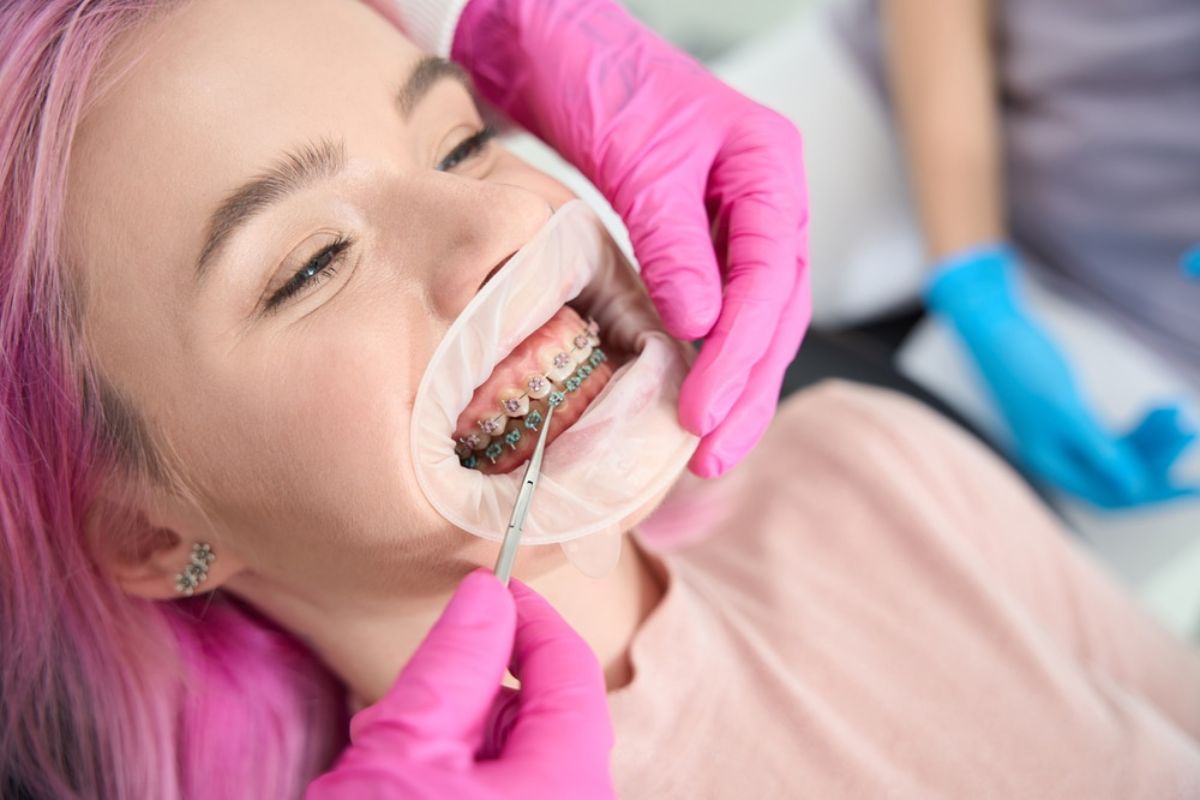
Getting braces is a transformative journey toward a confident smile, but it can come with some challenges. One of the most common issues people face is cuts or sores inside the mouth caused by the braces’ wires and brackets. These irritations can make eating, speaking, and even smiling uncomfortable. If you’re dealing with this problem, you’re not alone, and there are practical solutions to help you manage the discomfort. In this blog, we’ll walk you through effective ways to handle braces cuts, share tips for prevention, and provide insights to ensure your orthodontic journey is as smooth as possible.
Understanding Why Braces Cause Cuts
Braces consist of metal brackets and wires that align your teeth over time. While they’re designed to be safe, their components can sometimes rub against the soft tissues of your mouth, like your cheeks, lips, or tongue. This friction often leads to small cuts, sores, or ulcers, especially during the first few weeks after getting braces or after adjustments. Factors like sharp wire ends, loose brackets, or even your mouth adjusting to the new hardware can contribute to this irritation. Knowing the cause is the first step to finding relief.
Immediate Steps to Soothe Braces Cuts
When you notice a cut or sore, quick action can prevent it from worsening. Here are some immediate steps to take:
Rinse with Saltwater
A saltwater rinse is a simple and effective way to reduce inflammation and promote healing. Mix a teaspoon of salt in a glass of warm water, then swish it around your mouth for 30 seconds before spitting it out. Repeat this two to three times a day to keep the area clean and soothe irritation.
Apply Orthodontic Wax
Orthodontic wax acts as a barrier between the braces and your mouth’s soft tissues. Take a small piece, roll it into a ball, and press it over the sharp wire or bracket causing the cut. This cushion will reduce friction and give your mouth time to heal. Your orthodontist likely provided wax when you got your braces—if not, it’s available at most pharmacies.
Use a Cold Compress
If the cut is causing swelling or discomfort, apply a cold compress to the outside of your cheek. Wrap an ice pack in a cloth and hold it against the area for 10 minutes. This can numb the pain and reduce inflammation while you work on a longer-term solution.
Long-Term Strategies to Prevent Braces Cuts
Preventing cuts is just as important as treating them. Here are some strategies to minimize irritation over time:
Maintain Proper Oral Hygiene
Good oral hygiene keeps your mouth healthy and less prone to sores. Brush your teeth gently after every meal to remove food particles that might irritate cuts. Use a soft-bristled toothbrush to avoid aggravating sensitive areas. Flossing or using interdental brushes can also help clean around brackets and wires, reducing the risk of inflammation.
Adjust Your Diet
Certain foods can worsen cuts by putting pressure on your braces or irritating sores. Avoid hard, crunchy foods like nuts, chips, or raw carrots, as they can dislodge brackets or wires. Also, steer clear of sticky foods like caramel or gum, which can pull on your braces and cause more friction. Opt for soft foods like yogurt, mashed potatoes, or smoothies, especially after adjustments when your mouth is most sensitive.
Regular Orthodontic Checkups
Visiting your orthodontist regularly ensures your braces are in good shape. They can trim sharp wires, tighten loose brackets, and make adjustments to reduce irritation. If you’re in the area, braces in Darien, CT, are handled by skilled professionals who can address these issues promptly. Scheduling appointments every 4-6 weeks, as recommended, helps catch potential problems early.
When to Seek Professional Help
While most cuts heal on their own with home care, some situations require professional attention. If a sore persists for more than a week, becomes severely painful, or shows signs of infection—like redness, swelling, or pus—it’s time to see an expert. Persistent irritation from a specific wire or bracket also warrants a visit. Searching for an orthodontist near me can connect you with local specialists who can adjust your braces and provide personalized advice to ease discomfort. Don’t hesitate to reach out if something feels off—your comfort is a priority.
Trending FAQs on Dealing with Braces Cuts
Here are answers to some frequently asked questions about braces cuts, based on what people often search for on Google:
- How long do braces sores take to heal?
Most sores heal within 7-10 days with proper care, like saltwater rinses and orthodontic wax. If they last longer, consult your orthodontist. - Can I use oral gel for braces cuts?
Yes, over-the-counter oral gels with benzocaine can numb the area and provide relief. Apply a small amount to the sore as directed. - Why do my braces keep cutting my mouth?
This often happens due to sharp wires, loose brackets, or your mouth adjusting to braces. Regular checkups and wax can help prevent this. - What’s the best way to clean cuts from braces?
A saltwater rinse is ideal—it cleans the area naturally and reduces inflammation without harsh chemicals. Use it 2-3 times daily.
Additional Tips for Comfort During Your Braces Journey
Beyond treating and preventing cuts, small habits can make your experience more comfortable. Stay hydrated to keep your mouth from drying out, as dryness can worsen irritation. If you play sports, wear a mouthguard to protect your braces and reduce the risk of cuts from impact. Also, be mindful of how you speak or chew—avoid habits like biting your cheeks, which can lead to more sores. Over time, your mouth will adjust to the braces, and these issues will become less frequent.
Building Confidence Through Your Orthodontic Journey
Dealing with braces cuts can be frustrating, but it’s a small hurdle on the path to a beautiful smile. By taking proactive steps—like using wax, maintaining hygiene, and seeking professional help when needed—you can manage discomfort and stay focused on the end goal. Every adjustment brings you closer to straighter teeth and a boost in confidence. With patience and care, you’ll navigate this journey successfully and come out smiling brighter than ever.