Darien Location
Does Invisalign Work for Gaps Between Teeth?



Gaps between teeth, also known as diastema, can affect both appearance and oral health. Some people embrace them, while others look for ways to close the spaces for a more uniform smile. One of the most popular modern solutions is Invisalign. But does it actually work for gaps, and is it the right option for you? Let’s break it down in a simple and practical way.
Understanding Gaps Between Teeth
Gaps can develop for several reasons. These include genetics, missing teeth, gum issues, or habits like thumb sucking. Sometimes, the size of the jaw and teeth don’t match, which creates visible spacing.
While small gaps may not cause problems, larger spaces can lead to:
- Food getting stuck easily
- Higher risk of gum irritation
- Speech concerns in some cases
That’s why many people explore orthodontic solutions to correct spacing.
How Invisalign Works
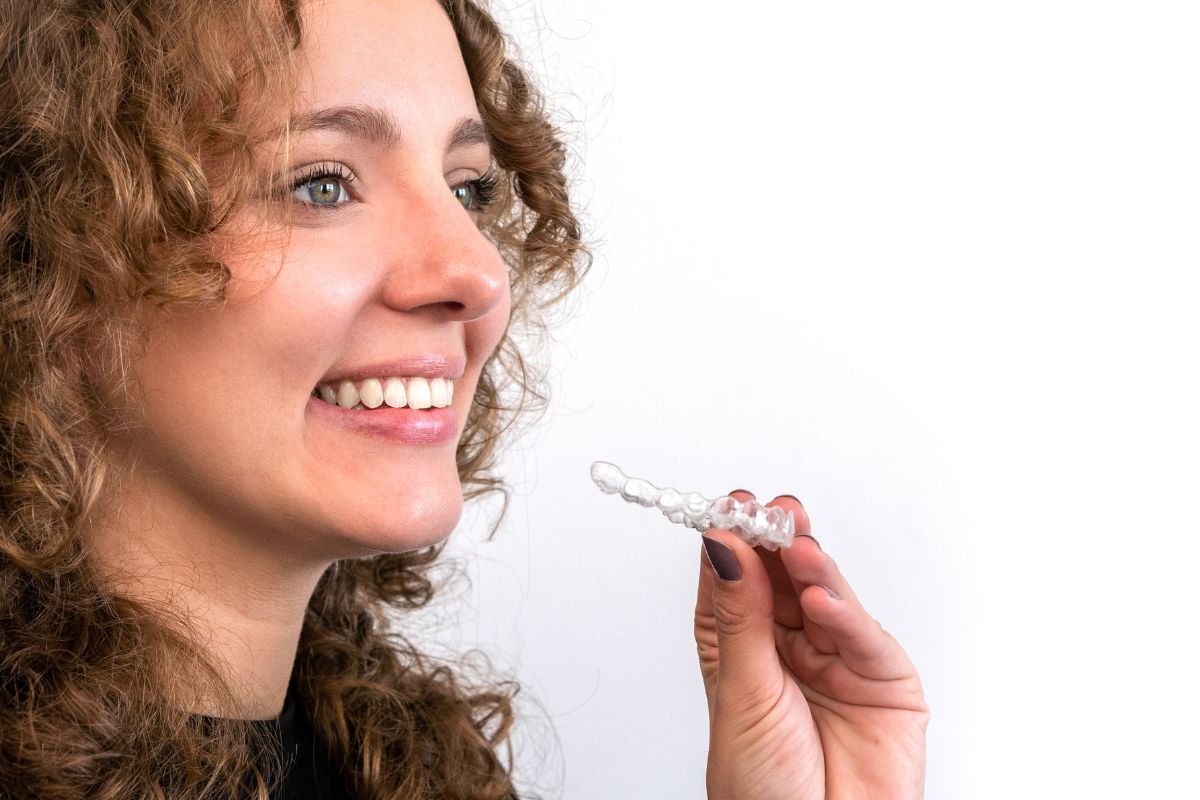
Invisalign uses a series of clear, custom-made aligners. These aligners gently move teeth over time into better positions. Each set is worn for about one to two weeks before switching to the next.
The treatment is:
- Nearly invisible
- Removable for eating and cleaning
- Designed with digital precision
Unlike traditional braces, Invisalign focuses on gradual and controlled movement without wires or brackets.
Can Invisalign Fix Gaps Effectively?
Yes, Invisalign is highly effective for closing gaps in many cases. It works particularly well for mild to moderate spacing issues.
Here’s how it helps:
- Applies consistent pressure to bring teeth closer
- Aligns surrounding teeth to improve overall bite
- Creates a balanced and natural-looking smile
Patients often see noticeable improvement within a few months, depending on the size of the gap and treatment consistency.
When Invisalign Works Best
Not all cases are the same. Invisalign is most effective when:
- Gaps are small to moderate
- Teeth are otherwise healthy
- There are no severe bite issues
For more complex spacing problems, a detailed evaluation is needed to determine the best approach.
During a consultation, a provider will assess your teeth using digital scans and create a personalized plan. Our invisalign treatment in Darien uses advanced imaging to map out precise tooth movements and expected results.
Invisalign vs Other Options for Gaps
Here’s a quick comparison to understand where Invisalign stands:
| Treatment Type | Best For | Key Benefit |
|---|---|---|
| Invisalign | Mild–moderate gaps | Discreet and removable |
| Braces | Complex alignment issues | Strong control over movement |
| Bonding/Veneers | Cosmetic corrections | Instant appearance change |
Invisalign offers a balance between aesthetics and effectiveness, making it a preferred choice for many adults and teens.
What to Expect During Treatment
The process is straightforward but requires commitment.
Step-by-Step Overview
- Initial consultation and scan
- Custom aligner creation
- Wearing aligners 20–22 hours daily
- Regular progress checks
Consistency is key. Skipping wear time can delay results.
Daily Life with Invisalign
Living with Invisalign is simple once you build a routine.
- Remove aligners while eating
- Brush before putting them back in
- Clean aligners regularly
- Keep them stored safely when not in use
Many patients appreciate the flexibility, especially compared to fixed braces.
If you’ve ever looked up a orthodontist near you to explore discreet orthodontic options, Invisalign often comes up as a top recommendation for spacing concerns.
Trending FAQs (People Also Ask)
- Can Invisalign close large gaps?
Yes, but results depend on severity. Larger gaps may take longer or need additional care. - How long does Invisalign take for gaps?
Typically 6–18 months, depending on the spacing. - Do gaps come back after Invisalign?
They can if retainers are not worn as instructed. - Is Invisalign painful for closing gaps?
Mild discomfort is normal when switching aligners, but it fades quickly. - Can Invisalign fix gaps without attachments?
Some cases can, but attachments improve control and efficiency.
Key Factors That Influence Results
Several elements determine how well Invisalign works:
- Consistency: Wearing aligners as prescribed
- Oral health: Healthy gums and teeth respond better
- Treatment planning: Accurate digital mapping ensures better outcomes
- Follow-ups: Regular check-ins keep progress on track
Patients who follow instructions closely tend to achieve faster and more predictable results.
Is Invisalign the Right Choice for You?
Choosing Invisalign depends on your goals and dental condition. It’s ideal for those who want a subtle and flexible solution.
A consultation helps clarify:
- Whether your gaps can be treated with aligners
- How long treatment may take
- What results you can realistically expect
If you are searching for an orthodontist near Darien, CT, understanding your options first can help you make a confident decision about aligner therapy.
Closing gaps between teeth is not just about appearance—it also supports better oral health and function. Invisalign offers a modern, comfortable way to achieve that goal without disrupting your daily routine. With proper guidance and consistency, it can deliver reliable and satisfying results. Schedule your consultation today to take the next step toward a confident smile.