Darien Location
How to Handle Braces Discomfort: Tips for Rye Teens


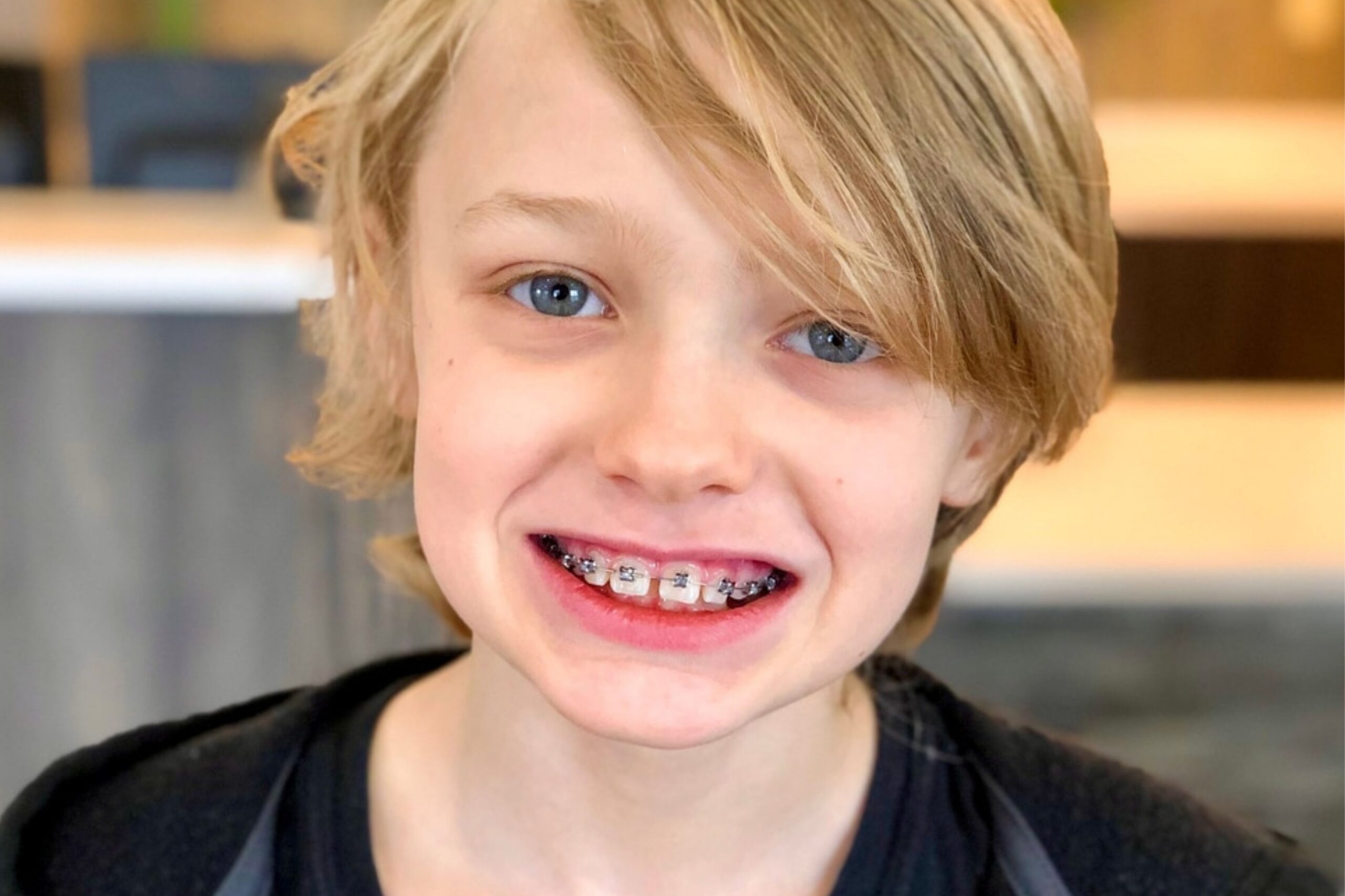
Braces can be a transformative journey for teenagers, helping them achieve a confident, healthy smile that lasts a lifetime. However, the process often comes with its fair share of discomfort, especially in the early stages or after adjustments. For teens in Rye, NY, navigating this orthodontic experience can feel overwhelming, but it doesn’t have to be. This blog will walk you through practical, teen-friendly tips to manage brace discomfort, ensuring the journey to a perfect smile is as smooth as possible. Let’s dive into strategies that can help Rye teens feel more comfortable while wearing braces.
Understanding Braces Discomfort: Why It Happens
When you first get braces or after a tightening appointment, it’s normal to feel some soreness. This discomfort typically stems from the pressure applied to your teeth as they shift into their new positions. The brackets and wires can also irritate the soft tissues of your mouth, like your cheeks and gums, as you adjust to the new hardware. According to the American Association of Orthodontists, this sensitivity often peaks within the first few days and subsides as your mouth adapts. Understanding that this is a temporary part of the process can help teens mentally prepare for what’s ahead.
Tips to Ease Braces Discomfort for Teens
Let’s explore some actionable strategies to help Rye teens manage the challenges of braces and keep discomfort at bay.
Stick to a Soft Food Diet
One of the easiest ways to reduce soreness is by being mindful of what you eat, especially right after getting braces or an adjustment. Hard, crunchy, or sticky foods like popcorn, nuts, or caramel can irritate your braces and worsen discomfort. Instead, opt for soft foods that require minimal chewing, such as mashed potatoes, yogurt, smoothies, and scrambled eggs. These choices give your teeth a break while still providing the nutrition you need to stay energized for school and activities.
Use Orthodontic Wax for Irritation
Brackets and wires can sometimes rub against the inside of your mouth, causing irritation or even small sores. Orthodontic wax is a lifesaver in these situations. Simply pinch off a small piece, roll it into a ball, and press it over the sharp area of your braces. This creates a smooth barrier between the metal and your cheeks or lips, reducing friction. Most orthodontists provide wax when you get your braces, but you can also pick it up at a local pharmacy if you run out.
Rinse with Saltwater for Relief
A saltwater rinse is a simple, natural way to soothe sore gums and reduce inflammation. Mix a teaspoon of salt into a glass of warm water, then swish the solution around in your mouth for about 30 seconds before spitting it out. This can help clean the area around your braces and promote healing if you have any minor cuts or irritation. Doing this once or twice a day, especially after adjustments, can make a big difference in how your mouth feels.
Take Care of Oral Hygiene
Maintaining good oral hygiene is crucial during orthodontic treatment for teens. Food particles can easily get trapped in braces, leading to plaque buildup, gum inflammation, and increased discomfort. Brush your teeth after every meal to keep your mouth clean, and use a floss threader or interdental brush to clean between the wires and brackets. Teens can also benefit from using an antimicrobial mouthwash to reduce bacteria and keep their gums healthy. A clean mouth is a comfortable mouth, so make oral care a priority.
Use Cold Compresses for Soreness
If your teeth feel particularly tender, applying a cold compress to the outside of your cheek can help. The cold temperature numbs the area and reduces swelling, providing quick relief. Wrap a few ice cubes in a clean cloth or use a gel ice pack, then hold it against your jaw for 10-15 minutes. This trick works especially well in the first couple of days after an adjustment when sensitivity is at its highest.
Finding the Right Support in Rye, NY
For teens in Rye, having a reliable orthodontist can make all the difference in managing braces discomfort. An experienced orthodontist in Rye, NY, can offer personalized advice, adjust your braces to minimize irritation, and ensure your treatment progresses smoothly. They can also recommend tools like special toothbrushes or mouthguards if you play sports, helping you stay comfortable while staying active. If you’re also looking into other dental care, many local practices in Rye work closely with orthodontists to provide comprehensive care. Building a relationship with a trusted dental professional ensures you have support every step of the way.
Trending FAQs on Handling Braces Discomfort
Here are answers to some frequently asked questions about braces discomfort, based on what teens and parents often search for online:
- How long does the discomfort from braces last?
Discomfort typically lasts 3-5 days after getting braces or an adjustment, though it varies from person to person. - What can I eat with braces to avoid pain?
Stick to soft foods like soup, oatmeal, and bananas, especially in the first few days after an adjustment. - Can I use pain relievers for braces soreness?
Over-the-counter pain relievers like ibuprofen can help, but always consult your orthodontist or doctor first. - Why do my braces hurt more at night?
You might notice more discomfort at night because you’re less distracted and your teeth experience less movement during rest.
Lifestyle Adjustments for Rye Teens with Braces
Beyond physical discomfort, braces can sometimes affect a teen’s confidence or daily routine. For instance, you might feel self-conscious about your smile during treatment, but remember that braces are a temporary step toward a lasting result. Joining school clubs or sports teams in Rye can help you stay social and focus on the positive aspects of your life. If you’re worried about playing an instrument or speaking in class, practice at home to build confidence. Small adjustments, like cutting food into smaller pieces or carrying a portable dental kit, can also make your day-to-day life easier while wearing braces.
When to Contact Your Orthodontist
While some discomfort is normal, certain signs might indicate a problem that needs professional attention. If you experience severe pain that doesn’t improve after a few days, a broken bracket, or a wire that’s poking into your gums, reach out to your orthodontist right away. Persistent swelling, redness, or signs of infection around your gums should also be addressed promptly. Regular checkups ensure your treatment stays on track, so don’t hesitate to schedule an appointment if something feels off.
A Brighter Smile Awaits Rye Teens
Dealing with braces discomfort might feel challenging at times, but these tips can help Rye teens navigate the process with ease. By making small adjustments to your diet, oral care routine, and lifestyle, you can minimize soreness and focus on the exciting outcome—a beautifully aligned smile. The journey to straighter teeth is worth it, and with the right strategies, you’ll be smiling confidently in no time. Stay patient, stay consistent, and let your orthodontic journey pave the way for a lifetime of healthy, happy smiles.