Darien Location
Do Braces Hurt? A Rye Orthodontist’s Pain Management Tips


Braces are a transformative step toward a confident smile, but many patients hesitate due to one common concern: pain. If you’re considering orthodontic treatment, you might be wondering whether braces will hurt and how to manage any discomfort. As a trusted orthodontist in Rye, I’ve helped countless patients navigate this journey with ease. In this blog, I’ll address the reality of braces-related discomfort, share practical pain management tips, and answer frequently asked questions to ensure you feel prepared and supported throughout your orthodontic experience. Let’s dive into what you can expect and how to make the process as comfortable as possible.
What to Expect When You Get Braces
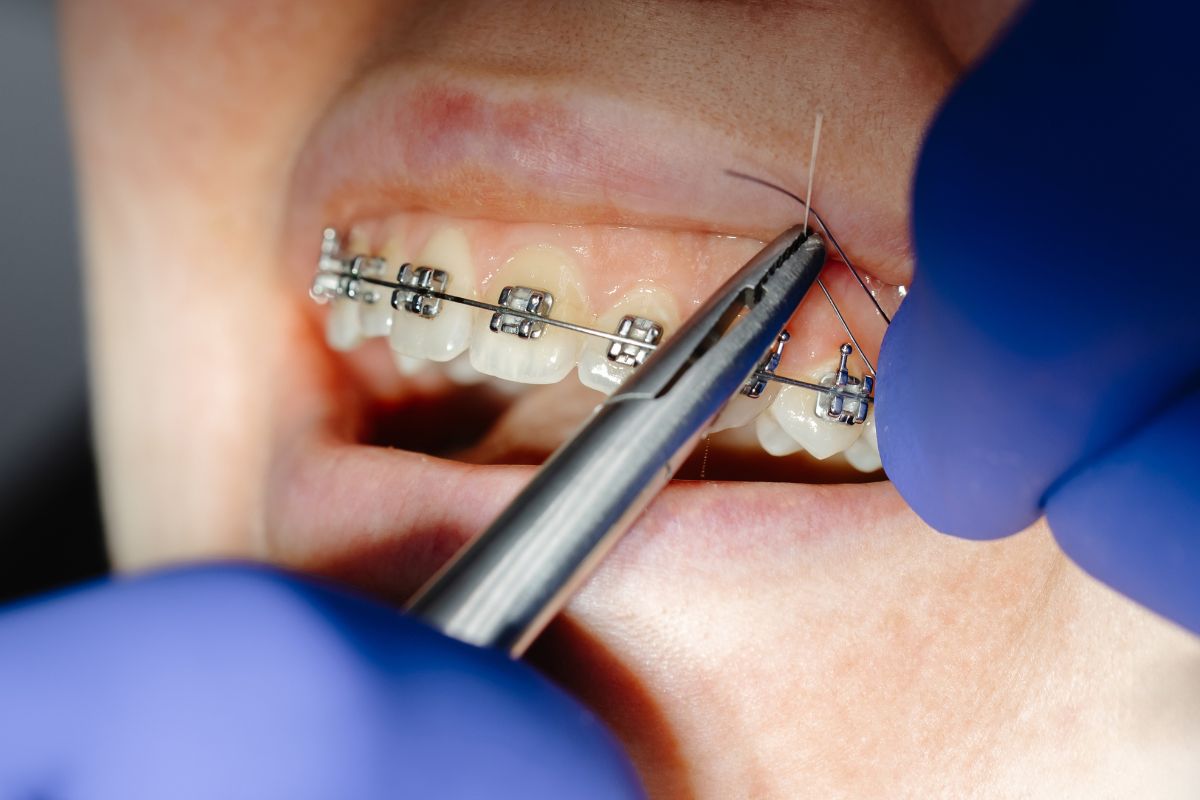
When you first get braces, it’s normal to feel some discomfort. The brackets and wires apply gentle pressure to shift your teeth into alignment, which can cause soreness. This sensation often peaks within the first 24-48 hours after your appointment and may last a few days. Your gums, cheeks, and teeth might feel tender as they adjust to the new hardware. For most patients, this initial discomfort is mild and manageable. Over time, your mouth adapts, and the soreness becomes less noticeable with each adjustment.
Why Do Braces Cause Discomfort?
Braces work by applying steady pressure to your teeth, gradually moving them into the desired position. This process involves your periodontal ligaments—the tissues that anchor your teeth to the jawbone—stretching and compressing. As a result, you might feel a dull ache or sensitivity, especially after a tightening appointment. Chewing hard foods or the brackets rubbing against your inner cheeks can also cause irritation. While this discomfort is a normal part of the teeth-straightening process, there are ways to minimize it, which I’ll share next.
Pain Management Tips from a Rye Orthodontist
I’ve seen patients successfully manage braces discomfort with simple, effective strategies. Here are my top tips to help you stay comfortable during your treatment:
- Use Orthodontic Wax: If brackets or wires irritate your cheeks or gums, apply a small piece of orthodontic wax to the sharp area. This creates a smooth barrier and prevents soreness.
- Rinse with Saltwater: Mix a teaspoon of salt in a glass of warm water and rinse your mouth 2-3 times daily. This soothes irritated tissues and reduces inflammation.
- Eat Soft Foods: Stick to soft foods like yogurt, mashed potatoes, or smoothies, especially after adjustments. Avoid hard or sticky items like nuts or caramel that can worsen discomfort.
- Take Over-the-Counter Pain Relievers: If soreness persists, an over-the-counter pain reliever like ibuprofen can help. Always follow the recommended dosage and consult your doctor if needed.
- Apply a Cold Compress: Place a cold pack on your cheek for 10-15 minutes to reduce swelling and numb the area. This works well during the first few days after getting braces.
- Maintain Oral Hygiene: Brush and floss gently but thoroughly to prevent gum irritation, which can add to discomfort. A clean mouth heals faster and feels better.
These tips can make a big difference in how you feel throughout your orthodontic journey. Consistency in applying them will help you stay comfortable and focused on your smile goals.
How to Prepare for Braces in Rye, NY
Preparation can ease your transition into wearing braces. If you’re considering braces in Rye, NY, schedule a consultation with a local orthodontist to discuss your treatment plan. Before your appointment, make a list of questions about the process, timeline, and what to expect. Stock up on soft foods and pain relief supplies so you’re ready for the first few days. It’s also helpful to practice good oral hygiene habits beforehand—healthy gums and teeth adapt better to braces. Knowing what’s ahead and being proactive can reduce anxiety and set you up for a smoother experience.
Adjusting to Life with Braces
Beyond the initial discomfort, braces require some lifestyle adjustments. You’ll need to be mindful of what you eat to avoid damaging the brackets or wires. Chewing gum, popcorn, and hard candies are best avoided. Speech might feel slightly different at first, but most patients adjust within a week or two. Regular appointments for adjustments are key to keeping your treatment on track. During these visits, your orthodontist will tighten the wires, which might cause temporary soreness. With time, these adjustments become routine, and you’ll notice your teeth gradually aligning into a beautiful smile.
Finding the Right Orthodontist for Your Needs
Choosing the right professional makes all the difference in your orthodontic experience. If you’re searching for an orthodontist near me, look for someone with a strong reputation for patient care and expertise in braces. A good orthodontist will take the time to explain the process, answer your questions, and provide personalized tips for managing discomfort. Reading reviews from other patients can give you insight into their experiences. Visiting a practice that prioritizes comfort and communication ensures you feel supported every step of the way.
Trending FAQs About Braces and Pain
Patients often have similar questions about braces and discomfort. Here are some frequently asked questions to address your concerns:
- How long does the pain last after getting braces?
The initial soreness typically lasts 3-5 days after placement or adjustments. It should gradually decrease as your mouth adjusts. - Do braces hurt the whole time you have them?
No, the discomfort is most noticeable after appointments. Most patients feel little to no pain between visits once they adapt. - What helps braces pain fast?
Rinsing with saltwater, using orthodontic wax, and eating soft foods can provide quick relief. A cold compress also helps reduce soreness. - Can I eat normally with braces?
You can eat most foods, but avoid hard, sticky, or chewy items that might damage your braces or increase discomfort.
These FAQs reflect common concerns and offer practical solutions to help you feel more confident about your treatment.
Long-Term Benefits Outweigh Temporary Discomfort
The discomfort of braces is temporary, but the benefits last a lifetime. Straighter teeth improve your bite, making it easier to chew and speak. They also enhance your smile, boosting confidence and self-esteem. Proper alignment can reduce the risk of dental issues like cavities or gum disease, as straight teeth are easier to clean. Throughout your treatment, focus on the end goal—a healthier, more beautiful smile. The minor aches you experience are a small trade-off for the lasting rewards of orthodontic care.
Your Path to a Confident Smile Starts Here
Braces are a worthwhile investment in your oral health and confidence, and any discomfort you experience can be managed with the right strategies. By understanding what to expect and following practical pain management tips, you can navigate your orthodontic journey with ease. Whether you’re just starting to explore treatment options or already have braces, working with a skilled orthodontist ensures a smooth and comfortable experience. Take the first step toward your dream smile today—you’ll be glad you did.