Darien Location
Are Self-Ligating Braces More Efficient for Complex Cases?


Imagine flashing a confident smile after months of orthodontic work. That’s the goal for anyone facing tricky tooth alignments. But when cases get complex—like severe crowding or misaligned bites—choosing the right braces matters. Self-ligating braces promise smoother paths to that perfect grin. They spark curiosity among patients wondering if modern tech truly delivers. Let’s dive in and uncover the facts.
What Are Self-Ligating Braces?
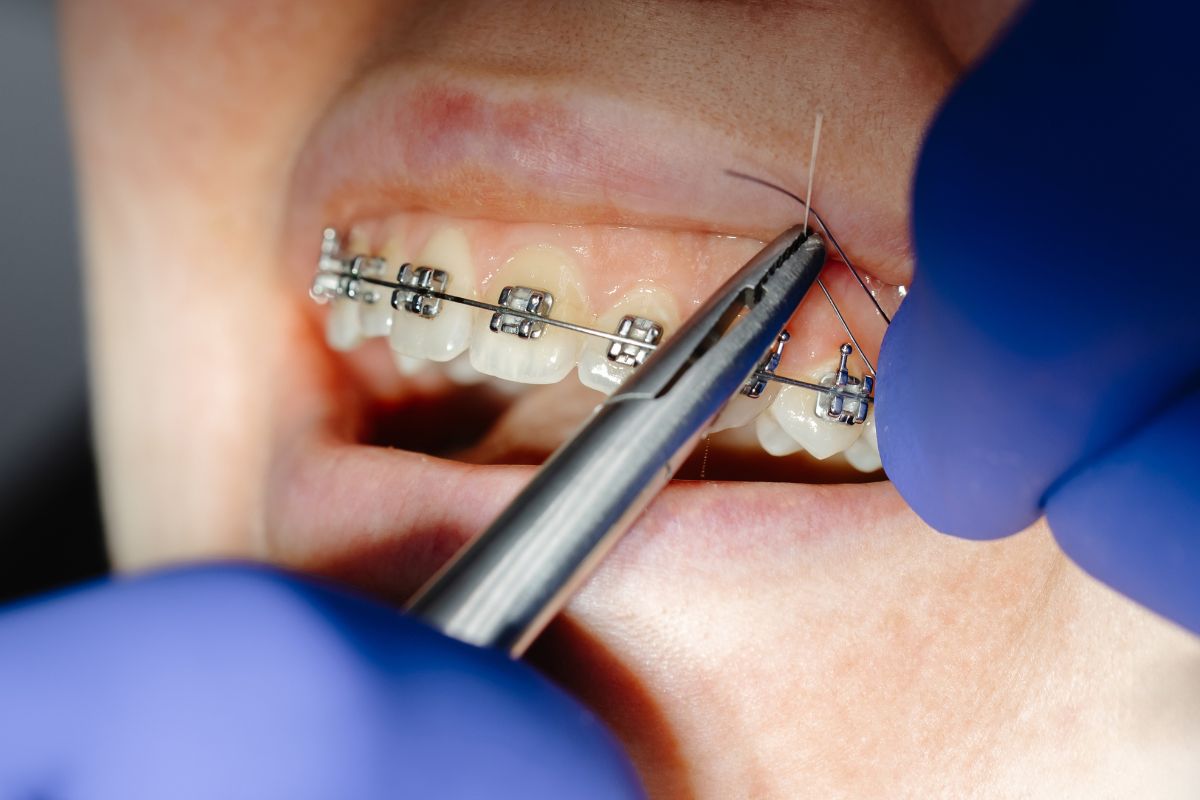
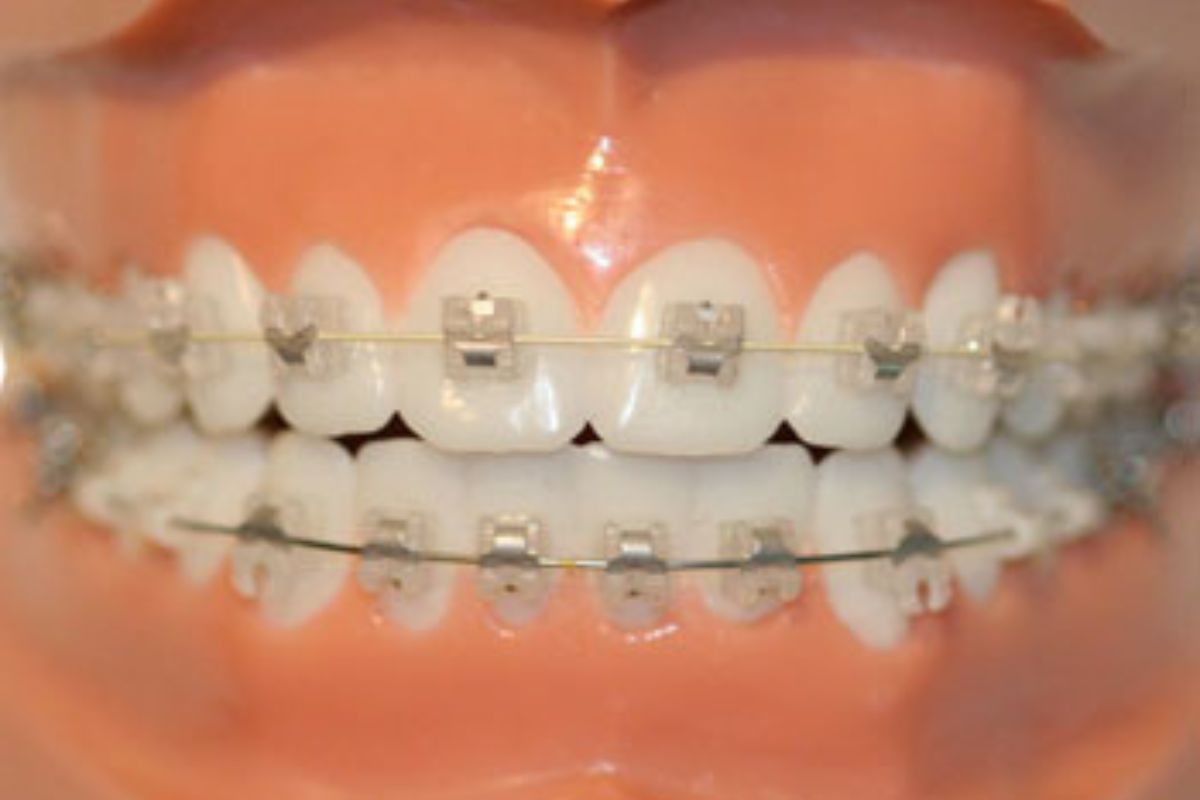
Self-ligating braces feature brackets with built-in clips. These hold the archwire in place. No need for rubber bands or ties like in traditional setups.
This design cuts down on friction. Teeth move more freely along the wire. Patients often notice gentler pressure during adjustments.
Experts highlight their role in orthodontic treatment. They suit various malocclusions. From simple gaps to tougher bite corrections, these braces adapt well.
How Do They Differ from Traditional Braces?
Traditional braces rely on elastics to secure the wire. This creates extra drag. It can slow tooth shifts and cause more soreness.
Self-ligating versions use sliding doors or clips instead. The mechanism self-adjusts as wires change. This leads to even force distribution.
Fewer parts mean easier oral hygiene. Brush and floss without battling trapped food. Many report less irritation around the gums.
In practice, orthodontists value the precision. It allows targeted movements for jaw alignment issues.
Benefits for Complex Orthodontic Cases
Complex cases demand reliability. Think rotated teeth or deep overbites. Self-ligating braces shine here with low-friction tech.
They promote efficient tooth alignment. Studies show potential for quicker progress in crowded arches. Patients face fewer hurdles in bite correction.
One key win: reduced adjustment needs. Visit your orthodontist less often. This frees up time while keeping treatment on track.
Self-ligating braces for teens in Darien, CT, offer tailored solutions. Local practices leverage this tech for personalized plans. It ensures steady results amid busy lifestyles.
Comfort stands out too. Less bulk means minimal speech lisps. Ideal for active folks handling severe spacing.
Ideal for Teens Tackling Tricky Smiles
Teens often deal with growth spurts complicating ortho plans. Rapid changes can twist alignments further. Self-ligating braces handle this with grace.
They minimize discomfort during those awkward phases. Teens stay active without constant tweaks. Sports and school blend seamlessly.
Picture a orthodontist for teens guiding the journey. They focus on subtle designs that boost confidence. No flashy ties to embarrass during photos.
These braces support natural tooth eruption. They guide emerging permanents without excess force. Result? Healthier bites long-term.
Our Orthodontic Office in Rye, NY
Expanding care matters in close-knit communities. Our orthodontic office in Rye, NY, brings the same expertise north. Patients cross the border for advanced options like self-ligating systems.
The Rye location mirrors Darien standards. Board-certified specialists treat diverse needs. From initial scans to final reveals, it’s all under one roof.
Locals praise the welcoming vibe. Quick drives yield big smile upgrades. It’s convenience wrapped in top-tier service.
Key Statistics on Treatment Efficiency
Data backs the buzz around self-ligating braces. Here’s a snapshot of how they stack up in complex scenarios.
| Metric | Self-Ligating Braces | Traditional Braces | Source Insight |
|---|---|---|---|
| Average Treatment Time | 15-20 months | 18-24 months | Reduced by 2-6 months in studies |
| Number of Visits | 10-15 | 15-20 | Fewer adjustments needed |
| Friction Reduction | Up to 70% less | Standard levels | Improves tooth movement speed |
| Patient Comfort Rating | 85% report less pain | 65% | Based on surveys of complex cases |
These figures highlight efficiency gains. Not every case matches exactly. Factors like compliance play in. Yet, trends favor self-ligating for tougher fixes.
Trending FAQs on Self-Ligating Braces
Curious minds turn to Google for quick answers. Here are top questions folks ask about self-ligating braces, especially in complex setups. We’ve pulled real insights to clarify.
- How do self-ligating braces work?
They use a clip or door in the bracket to secure the archwire. This self-closes, slashing friction for smoother slides. No elastics mean less buildup. - Do self-ligating braces hurt less than traditional ones?
Yes, often. Lower friction eases pressure on teeth. Many feel milder soreness post-adjustment. It’s a win for sensitive mouths in long treatments. - Are self-ligating braces faster?
They can shave months off. For complex crowding, expect 15-20 months versus 24. Results vary by case severity and patient habits. - Who is a good candidate for self-ligating braces?
Anyone with moderate to severe issues fits. Teens with bite woes or adults fixing old habits thrive. Consult to confirm suitability. - Can self-ligating braces fix severe malocclusions?
Absolutely. Their precise control tackles overbites or rotations well. Orthodontists pair them with tools for optimal outcomes.
These cover common worries. They show why self-ligating options gain traction.
If you’re searching for an “orthodontist near me“, start with a consult. Share your smile goals openly. A pro can map the best route forward.
Self-ligating braces aren’t magic. But they edge out traditionals in efficiency for knots like yours. Weigh the perks against your routine.
Ready to explore? Call (475) 264-2775 to schedule an appointment today. Let’s craft that effortless smile you’ve earned.