Darien Location
Can You Eat and Drink with Braces?


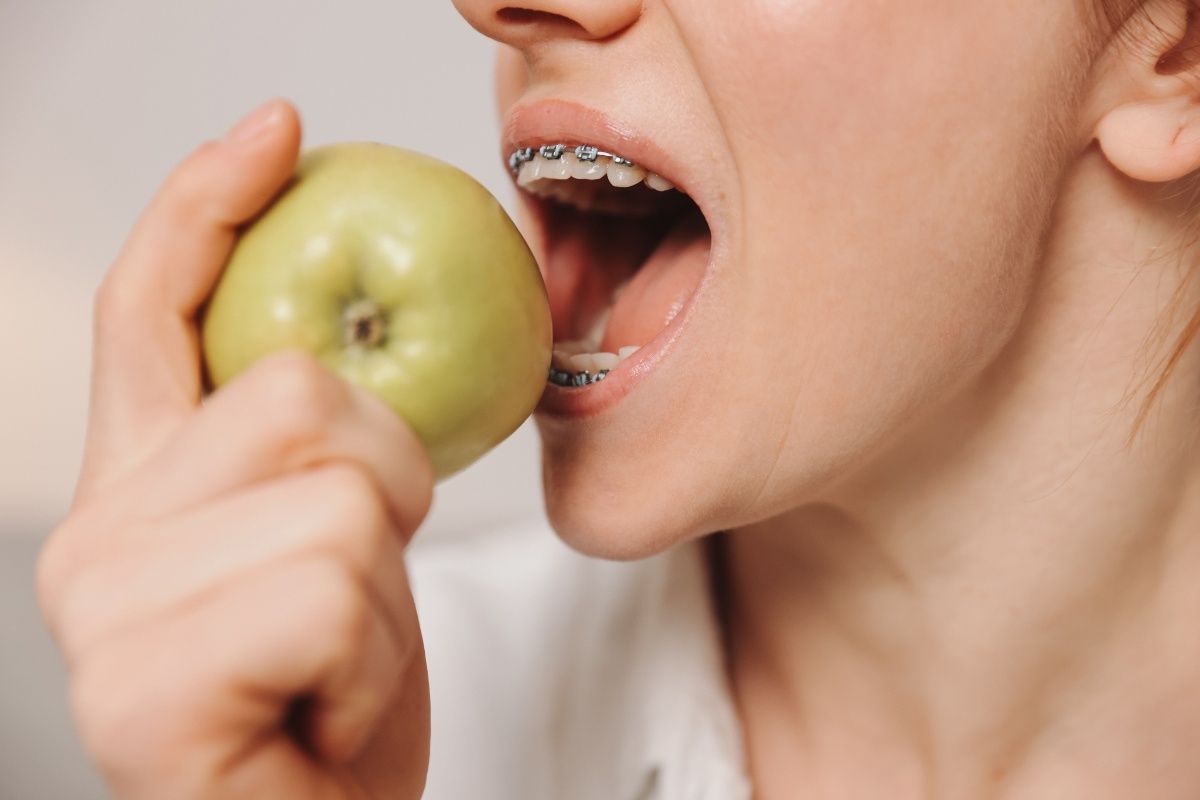
Have you recently gotten braces—or are you thinking about starting orthodontic treatment?
If so, one of the first questions that probably comes to mind is: “Can I still eat my favorite foods?“
The good news is yes—you can absolutely eat and drink while wearing braces. However, some foods and beverages require extra caution. Choosing the wrong foods can bend wires, break brackets, delay treatment, and even increase your risk of cavities.
According to the American Association of Orthodontists (AAO), approximately 4 million people in the United States wear braces at any given time, and nearly 25% of orthodontic patients are adults. As more Americans choose orthodontic treatment, understanding proper eating habits has become increasingly important.
In this guide, we’ll explore what you can safely eat and drink with braces, foods to avoid, how braces affect your diet, and practical tips to keep your treatment on track.
How Do Braces Affect Eating?
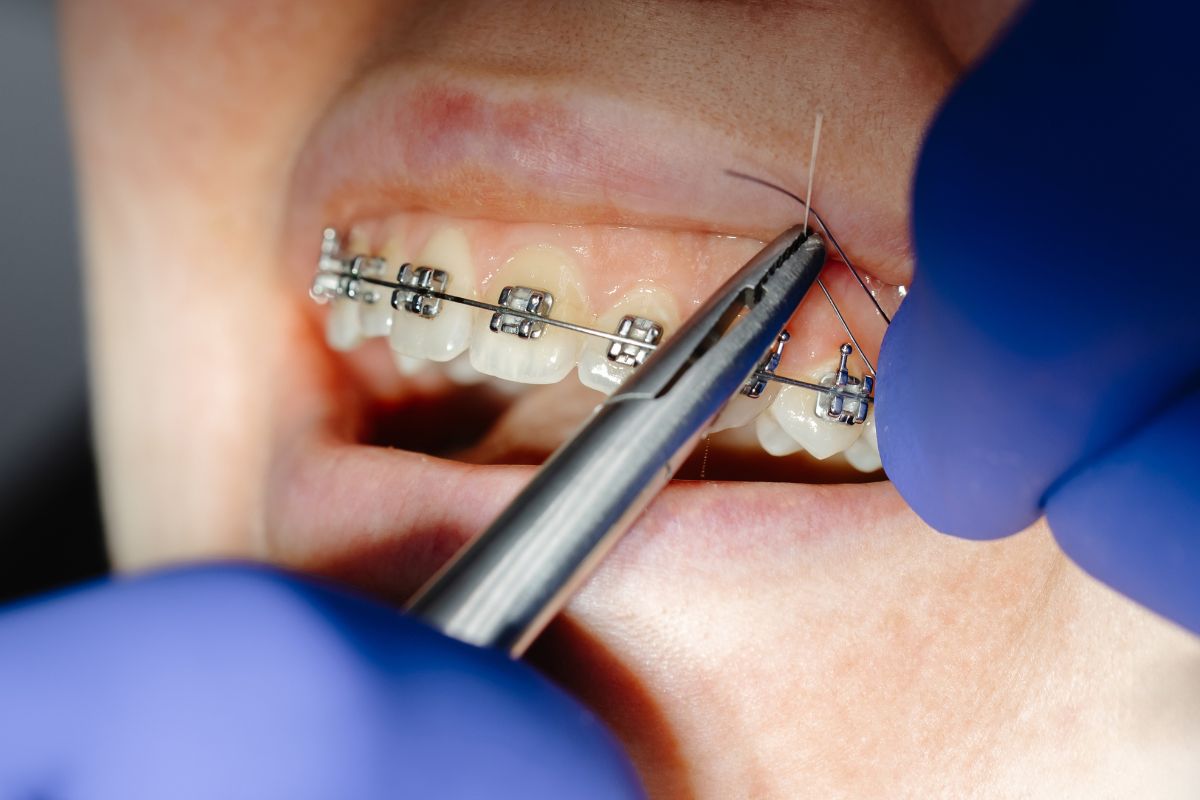
Braces in Darien work by applying gentle, continuous pressure to move teeth into proper alignment. Brackets are bonded to the teeth and connected by wires that gradually guide tooth movement.
Because these components are attached directly to your teeth, they can be damaged by certain foods.
When patients eat hard, sticky, or chewy foods, they may experience:
- Broken brackets
- Bent wires
- Loose bands
- Extended treatment times
- Increased discomfort
According to research published by the National Institutes of Health (NIH), breakage of orthodontic appliances remains one of the most common reasons for unexpected orthodontic visits and treatment delays.
The first few days after getting braces are usually the most challenging. During this period, teeth and gums may feel sensitive as they adjust to the pressure.
Fortunately, most patients adapt quickly and learn which foods are safest.
Can You Eat Normally with Braces?
Yes—but with some modifications.
Most orthodontists recommend eating softer foods immediately after braces are placed or adjusted. Once soreness subsides, patients can return to a wider variety of foods while still avoiding items that may damage orthodontic appliances.
The key is learning which foods are braces-friendly and which foods should stay off the menu.
Best Foods to Eat with Braces
Soft foods help minimize discomfort and reduce the risk of damaging brackets and wires.
Some of the safest options include:
Dairy Products
- Yogurt
- Cottage cheese
- Soft cheeses
- Pudding
These foods provide calcium and protein, both of which support healthy teeth and bones.
Soft Proteins
- Scrambled eggs
- Shredded chicken
- Ground turkey
- Fish
- Meatloaf
Protein supports tissue repair and overall oral health during orthodontic treatment.
Cooked Vegetables
- Mashed potatoes
- Steamed carrots
- Squash
- Green beans
- Sweet potatoes
Cooking vegetables softens them, making them easier to chew without stressing brackets.
Fruits
- Bananas
- Applesauce
- Soft berries
- Seedless watermelon
- Peaches
Many fruits provide essential vitamins while remaining gentle on orthodontic appliances.
Grains and Carbohydrates
- Pasta
- Rice
- Soft bread
- Pancakes
- Oatmeal
These foods are generally easy to chew and safe for braces.
Foods You Should Avoid with Braces
Some foods pose a higher risk of damaging braces and should be avoided whenever possible.
Hard Foods
Hard foods can crack brackets and bend wires.
Examples include:
- Ice
- Hard candy
- Nuts
- Pretzels
- Hard taco shells
According to the American Association of Orthodontists (AAO), hard foods are consistently listed as a leading cause of damage to orthodontic appliances.
Sticky Foods
Sticky foods can become trapped around brackets and wires.
Examples include:
- Caramel
- Taffy
- Chewing gum
- Gummy candies
- Fruit chews
Sticky foods are particularly problematic because they can pull brackets away from the teeth.
Crunchy Foods
Crunchy foods may place excessive pressure on braces.
Examples include:
- Popcorn
- Potato chips
- Corn chips
- Crackers
- Crusty bread
Popcorn is especially problematic because unpopped kernels can damage orthodontic hardware.
Chewy Foods
Certain chewy foods require significant biting force.
Examples include:
- Bagels
- Tough steak
- Beef jerky
- Thick pizza crust
These foods may increase the risk of wire distortion.
Can You Drink with Braces?
Absolutely.
Patients can drink most beverages while wearing braces, but some drinks are better choices than others.
Hydration is important for overall health and oral health alike.
The ideal beverage for orthodontic patients is simple:
Water
Water remains the best drink choice during orthodontic treatment.
Benefits include:
- No sugar
- No acids
- Helps rinse away food particles
- Supports saliva production
- Protects tooth enamel
According to the Centers for Disease Control and Prevention (CDC), community water fluoridation reduces tooth decay by approximately 25% in children and adults.
Drinking fluoridated water can provide additional protection while wearing braces.
Drinks to Limit While Wearing Braces
Not all beverages are braces-friendly.
Some drinks can contribute to plaque buildup, enamel erosion, and staining.
Soft Drinks
Regular soda contains high amounts of sugar and acid.
Research from the American Dental Association shows that acidic beverages can weaken tooth enamel and increase the risk of cavities.
Examples include:
- Cola
- Lemon-lime soda
- Energy drinks
- Sports drinks
Sweet Tea and Coffee Drinks
Many specialty beverages contain significant amounts of sugar.
Examples include:
- Sweet tea
- Flavored coffee drinks
- Frappes
- Sweetened iced coffees
Excess sugar fuels harmful bacteria that can cause tooth decay.
Fruit Juices
Many fruit juices are acidic and contain natural sugars.
Common examples include:
- Orange juice
- Lemonade
- Apple juice
- Cranberry juice
While these drinks can be enjoyed occasionally, they should not replace water as your primary beverage.
What Happens If Food Gets Stuck in Braces?
Food particles frequently become trapped around brackets and wires.
This is one of the biggest oral hygiene challenges orthodontic patients face.
According to studies published in orthodontic journals, plaque accumulation tends to increase during braces treatment due to the additional surfaces where bacteria can collect.
If food remains trapped, patients may develop:
- Cavities
- Gum inflammation
- White spot lesions
- Bad breath
This is why orthodontists emphasize thorough brushing and flossing after meals.
Oral Hygiene Matters More Than Ever
Patients with braces need excellent oral hygiene habits.
The American Dental Association recommends brushing twice daily for two minutes and cleaning between teeth every day.
For braces patients, many orthodontists recommend:
- Brushing after meals
- Using interdental brushes
- Flossing daily
- Using fluoride toothpaste
- Attending regular dental cleanings
Studies show that poor oral hygiene during orthodontic treatment increases the likelihood of enamel demineralization and white spot lesions around brackets.
Tips for Eating Comfortably After Getting Braces
The first week with braces can be an adjustment.
Here are several ways to stay comfortable:
Choose Soft Foods
Stick to foods such as:
- Soup
- Yogurt
- Mashed potatoes
- Smoothies
- Oatmeal
Cut Food into Small Pieces
Rather than biting into foods directly, cut them into smaller bites.
This reduces stress on brackets.
Chew Slowly
Taking your time allows you to avoid accidental pressure on sensitive teeth.
Use Orthodontic Wax
If brackets irritate your cheeks or lips, orthodontic wax can help reduce friction.
Rinse with Warm Salt Water
Saltwater rinses may help soothe irritated tissues and reduce soreness.
Eating Out with Braces
Many patients worry that braces will prevent them from enjoying dining out at restaurants.
Fortunately, most restaurants offer braces-friendly options.
Good choices include:
- Pasta dishes
- Fish entrées
- Soft sandwiches
- Rice bowls
- Soups
- Cooked vegetables
When ordering, avoid foods that require aggressive biting or chewing.
For example, instead of biting into a burger directly, consider cutting it into smaller pieces.
Will Eating Restrictions Last Forever?
No.
Food restrictions only apply while braces are actively moving your teeth.
Once treatment is complete and your braces are removed, most patients can return to eating their favorite foods.
Treatment length varies by individual needs.
According to the American Association of Orthodontists, comprehensive braces treatment often lasts between 18 and 24 months, although some cases may be shorter or longer.
Protecting your braces during this period helps ensure treatment stays on schedule.
Conclusion
So, can you eat and drink with braces?
Absolutely.
The key is making smart food and beverage choices that protect your orthodontic appliances and support your oral health.
Soft foods, nutritious meals, and plenty of water can help you stay comfortable while reducing the risk of broken brackets and treatment delays. Avoiding hard, sticky, crunchy, and excessively sugary foods can keep your braces functioning properly and help you achieve the best possible results.
Remember, braces are a temporary investment in a healthier, straighter smile. By following your trusted Darien orthodontist’s dietary recommendations and maintaining excellent oral hygiene, you’ll be well on your way to enjoying beautiful results for years to come.
Frequently Asked Questions
1. Can I drink soda with braces?
You can, but orthodontists recommend limiting soda because its sugar and acid content can increase the risk of cavities, enamel erosion, and staining around brackets.
2. Can I eat pizza with braces?
Yes. Soft pizza is generally acceptable, but avoid very hard or thick crusts, as they may damage brackets and wires.
3. Is popcorn safe with braces?
No. Popcorn is one of the most commonly restricted foods because kernels can break brackets and become trapped between teeth and braces.
4. What is the best drink for braces patients?
Water is the best beverage because it contains no sugar, helps wash away food particles, and supports overall oral health.
5. What should I eat the first day after getting braces?
Soft foods such as yogurt, mashed potatoes, applesauce, smoothies, oatmeal, scrambled eggs, and soup are excellent choices during the first 24–48 hours after braces placement.