Darien Location
How Do Metal Braces in Rye Correct Rotated Premolars?


Rotated premolars are a common orthodontic concern that can affect both the appearance of your smile and the way your teeth function. These teeth may twist due to crowding, genetics, or early tooth loss. While the issue might seem minor at first, it can lead to uneven wear, bite problems, and difficulty cleaning between teeth. Fortunately, modern orthodontics offers reliable solutions to gently guide these teeth back into proper alignment.
Understanding Rotated Premolars
Premolars sit between your canines and molars. They play an important role in chewing and maintaining balance in your bite. When these teeth rotate, they no longer align properly with neighboring teeth. This can create tight spaces where plaque builds up, increasing the risk of decay and gum problems.
Common Causes of Tooth Rotation
- Lack of space in the dental arch
- Early loss of baby teeth
- Genetics and jaw size
- Habits such as tongue pressure
How Metal Braces Work
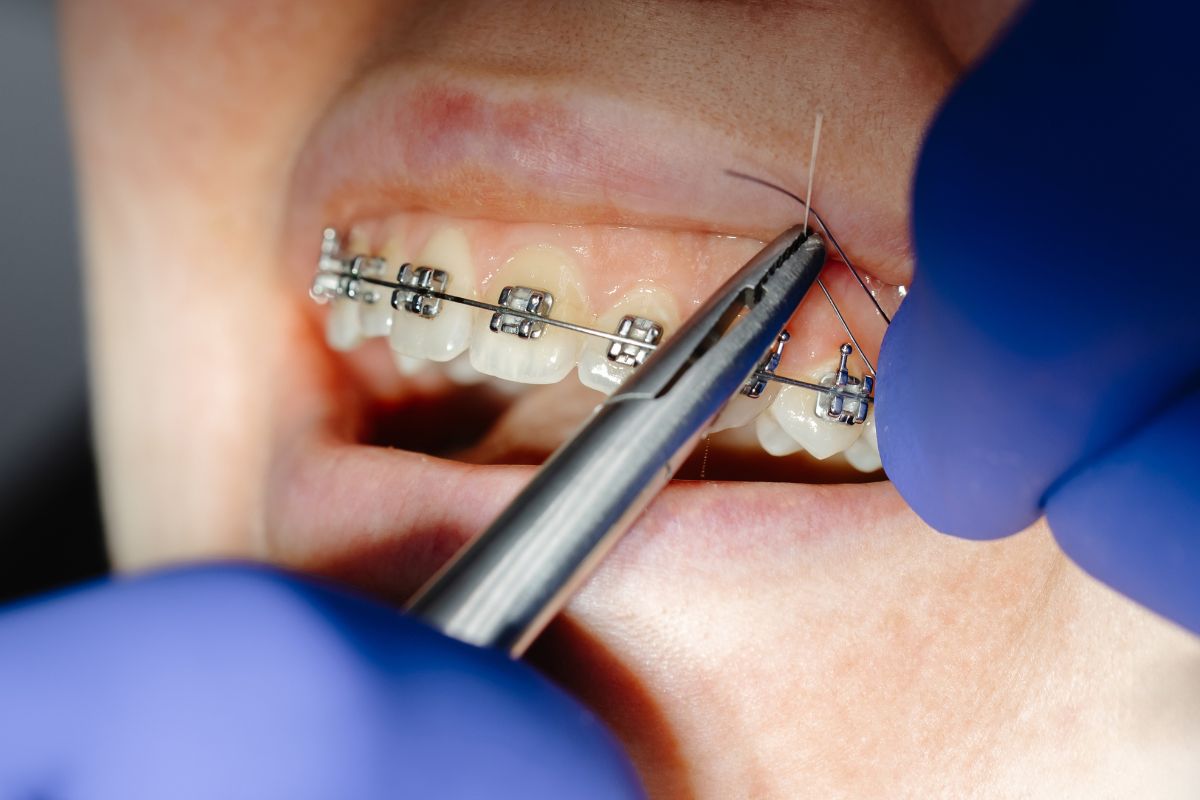
Metal braces remain one of the most effective ways to correct rotated teeth. They use a system of brackets, wires, and elastic ties to apply controlled pressure on teeth over time. This steady force gradually moves teeth into their correct positions.
Key Components of Braces
- Brackets: Bonded to each tooth to guide movement
- Archwire: Connects brackets and applies pressure
- Elastic ties: Help maintain consistent force
The Science Behind Tooth Movement
Orthodontic movement happens through a process called bone remodeling. Gentle pressure from braces causes the bone around the tooth to reshape. This allows the tooth to rotate and settle into proper alignment.
Step-by-Step: Correcting Rotated Premolars
Initial Assessment
A detailed examination is performed using X-rays and digital scans. This helps determine the severity of rotation and the best treatment approach.
Placement of Braces
Brackets are carefully positioned on each tooth. Placement is crucial because it determines the direction of movement.
Rotational Forces
Special techniques such as ligatures or power chains may be used to apply rotational force. These help twist the premolar back into alignment.
Continuous Adjustments
Regular visits ensure that the wires are adjusted and the pressure remains consistent. If you visit a trusted dentist near you, they can monitor progress and ensure everything is moving correctly.
Final Alignment
Once the premolars are aligned, finishing adjustments refine the bite and ensure proper contact between teeth.
Why Metal Braces Are Effective for Rotation
Metal braces provide precise control over tooth movement. Rotated teeth require specific directional forces, which braces can deliver consistently. Unlike removable options, braces stay fixed, ensuring continuous correction without interruption.
Benefits for Rotated Premolars
- Accurate rotation control
- Consistent pressure over time
- Effective for moderate to severe cases
- Long-term stability
What to Expect During Treatment
Treatment timelines vary depending on the degree of rotation. Mild cases may take several months, while more complex rotations may require longer.
Common Experiences
- Mild soreness after adjustments
- Gradual improvement in alignment
- Easier cleaning as teeth straighten
Maintaining Oral Health
Proper brushing and flossing are essential during treatment. Rotated teeth can trap food, so maintaining hygiene is key to preventing complications.
Role of Professional Guidance
Orthodontic care is highly personalized. Every case is different, and the approach depends on the structure of your teeth and jaw. During treatment, your provider ensures that forces are applied safely and effectively.
At some point during your journey, you may come across information about our braces treatment in Rye, which highlights how structured orthodontic care can address even complex rotations with predictable outcomes.
Information Table: Braces & Tooth Rotation
| Aspect | Details |
|---|---|
| Treatment Type | Fixed metal braces |
| Target Issue | Rotated premolars |
| Mechanism | Controlled pressure & bone remodeling |
| Adjustment Frequency | Every few weeks |
| Result | Proper alignment and improved bite |
Trending FAQs
- What causes premolars to rotate?
Crowding, genetics, and early tooth loss are the most common causes. - Can rotated teeth fix themselves?
No. Orthodontic treatment is needed to correct rotation. - Are metal braces the best option for rotated teeth?
Yes. They provide precise control needed for rotational movement. - How long does it take to rotate a tooth with braces?
It depends on severity, but most cases improve within several months. - Do rotated premolars affect oral health?
Yes. They can increase plaque buildup and lead to gum issues. - Is treatment painful?
You may feel mild discomfort after adjustments, but it is temporary.
Supporting Long-Term Results
After alignment, retention plays an important role in maintaining results. Teeth have a natural tendency to shift, so following post-treatment guidance is essential.
You may also notice improved comfort when chewing and better overall oral hygiene once teeth are properly aligned.
When to Seek Professional Help
If you notice twisted or misaligned teeth, it’s best to consult early. Early evaluation allows for simpler and more efficient treatment.
If you are searching for an orthodontist near Rye, NY, it’s important to choose a provider who focuses on detailed planning and consistent follow-up care to ensure optimal results.
Correcting rotated premolars requires precision, patience, and the right orthodontic approach. Metal braces offer a proven solution by applying controlled forces that gradually guide teeth into alignment. With proper care and regular monitoring, you can achieve a healthier bite and a more balanced smile. To take the next step, schedule your consultation today and begin your journey toward improved alignment and confidence.