Darien Location
What Makes In-Ovation Braces Different from Traditional Metal Braces?


Many people dream of a straighter smile. Yet the thought of braces often brings questions about comfort and time. Traditional metal braces have served patients well for years. Newer designs now change the experience in meaningful ways. Self-ligating systems lead the way with smart features that ease the journey.
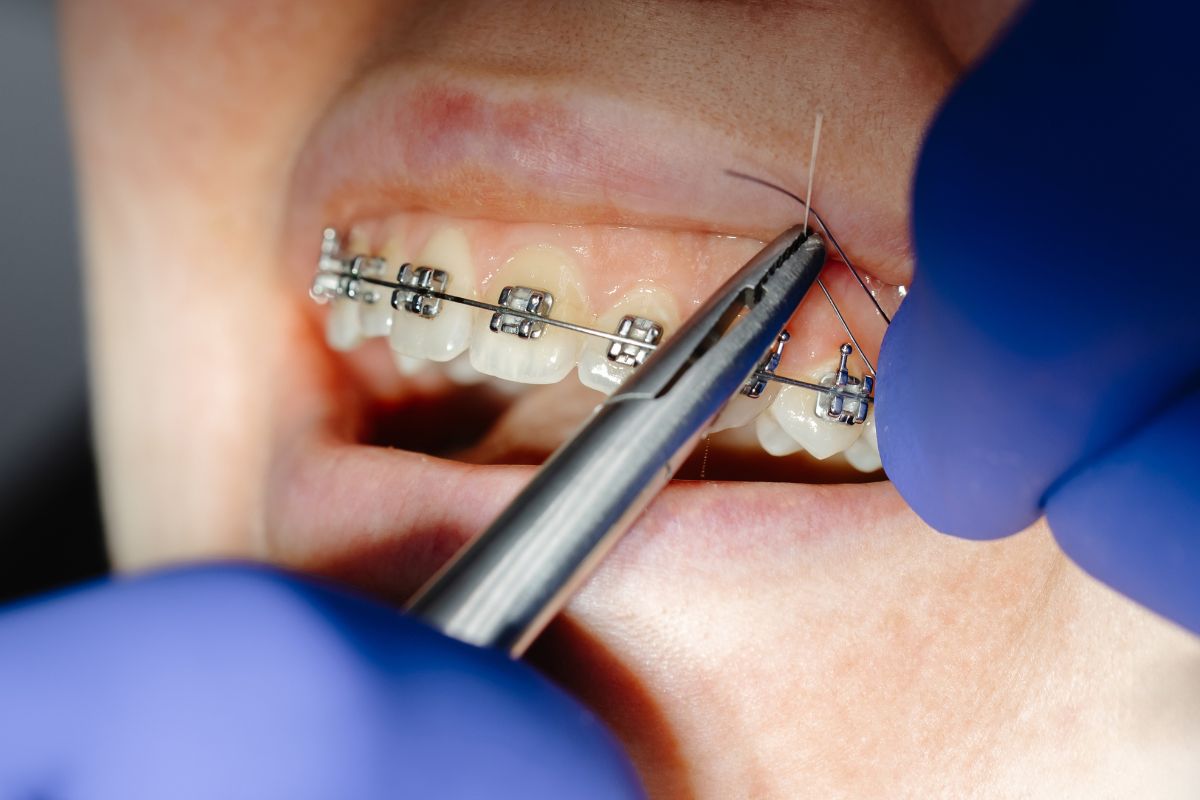
Traditional metal braces rely on brackets glued to each tooth. An archwire runs through them. Small elastic ties or metal ligatures hold the wire tight. These ties create friction. They demand frequent tightening at every visit. The process works. Still, it often feels bulky and requires extra effort to keep clean.
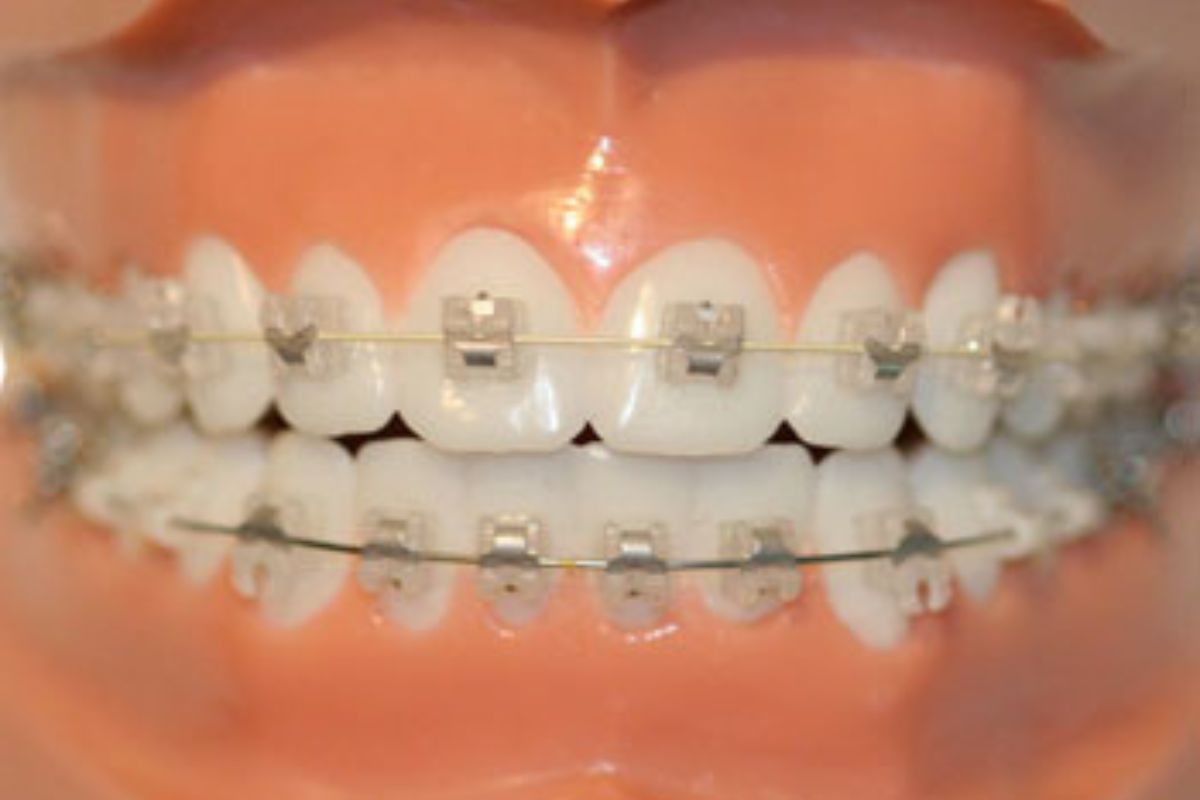
Self-ligating braces flip the script. They skip the ties completely. A tiny built-in clip or door secures the wire instead. This passive system lets the wire slide freely. Gentle forces guide teeth into place with less resistance. Patients notice the difference right away.
How Traditional Metal Braces Actually Work
Brackets sit on the front of each tooth. The wire connects everything. Elastic bands lock the wire down. Over time, these bands stretch and lose grip. Orthodontists replace them often. Each adjustment applies stronger pressure. Teeth move, yet the friction slows progress. Plaque builds up around the ties. Brushing takes extra time. Mouth irritation can appear from the bands rubbing.
The Smart Design Behind In-Ovation Braces
In-Ovation braces use a patented clip system. The clip opens and closes easily. No elastics means less bulk. The brackets sit low and small. Wires move smoothly inside the slot. This low-friction setup applies light, steady pressure. Teeth shift naturally. The entire process feels more efficient from start to finish.
Reduced Friction Leads to Real Comfort
Friction causes much of the soreness in braces. Traditional ties fight the wire constantly. In-Ovation clips release that tension. Lighter forces reduce initial pressure. Patients report less pain after adjustments. Daily life feels normal sooner. Sports and speaking stay comfortable. The sleek profile cuts cheek irritation, too.
Fewer Visits and Faster Progress
Traditional braces need many appointments. Ties wear out. Wires need frequent changes. In-Ovation braces cut chair time dramatically. Clips open in seconds. Adjustments happen quickly. Studies show self-ligating systems often trim overall treatment by months. Patients finish smiling sooner. Busy schedules stay intact.
Easier Oral Hygiene Every Day
Ties trap food and plaque. They stain easily. Cleaning demands special tools. In-Ovation braces remove those traps. Teeth stay cleaner between visits. Brushing and flossing reach every surface. Gum health improves. Less buildup means fewer white spots or cavities. Smiles stay bright throughout treatment.
Our In-Ovation braces in Darien, CT, shine as a prime example of this advanced approach. Local patients appreciate the modern edge that fits seamlessly into daily routines.
The low-friction clips also support better tooth control. Rotations and alignments happen smoothly. Complex cases benefit greatly. The system handles torque with precision. Results look polished and stable.
Many wonder about daily life with these braces. Eating stays simple. No loose bands to replace at home. The smaller size blends better with natural smiles. Teens and adults both enjoy the freedom.
Self-ligating technology continues to evolve. In-Ovation braces represent years of research. They combine strength with comfort. Patients gain confidence faster. The journey feels shorter and kinder.
If you are searching for an orthodontist near you, advanced options like these can transform your expectations. A skilled professional guides every step with care.
Comparison Table: In-Ovation vs Traditional Metal Braces
| Feature | Traditional Metal Braces | In-Ovation Braces |
|---|---|---|
| Wire Holding Method | Elastic ties or metal ligatures | Built-in self-ligating clip |
| Friction Level | High | Low |
| Appointment Frequency | More frequent | Fewer |
| Comfort During Treatment | Standard pressure | Gentler forces |
| Oral Hygiene | More challenging | Easier and cleaner |
| Typical Treatment Time | Baseline | Often reduced by several months |
This clear breakdown highlights everyday advantages. Choose based on your needs and lifestyle.
Trending FAQs About In-Ovation Braces
Here are answers to the most common questions patients ask online.
- What exactly makes In-Ovation braces self-ligating? A built-in clip holds the wire instead of elastic ties. This design reduces friction and allows freer movement.
- Do In-Ovation braces hurt less than traditional ones? Yes. Lighter forces and no tight elastics mean less soreness after visits. Most patients adjust quickly.
- How much faster is treatment with In-Ovation braces? Many cases finish months sooner. Fewer adjustments speed the entire process while delivering strong results.
- Is cleaning easier with In-Ovation braces? Absolutely. No ties trap food or plaque. Brushing reaches every area without extra hassle.
- Will I need fewer orthodontist visits? Yes. Quick clip adjustments cut chair time. You enjoy more convenience between appointments.
- Are In-Ovation braces suitable for complex cases? They handle rotations, torque, and alignment effectively. The system provides precise control throughout.
These answers address real concerns head-on. They help you decide with confidence.
Modern orthodontics prioritizes patient experience. In-Ovation braces deliver exactly that. Reduced friction. Better hygiene. Shorter timelines. All without sacrificing quality.
Ready for a smoother path to your best smile? Reach out today to schedule an appointment.