Darien Location
Why Choose Lingual Braces Over Ceramic Braces?


Ever stared in the mirror, wishing for straighter teeth without the telltale shine of brackets stealing the show? You’re not alone. In today’s fast-paced world, where first impressions happen in seconds, many adults seek orthodontic solutions that blend seamlessly into their lives. If discretion tops your list, lingual braces might just be your secret weapon. This post dives deep into why they often outshine ceramic braces, helping you make an informed choice for a confident smile.
What Are Ceramic Braces?
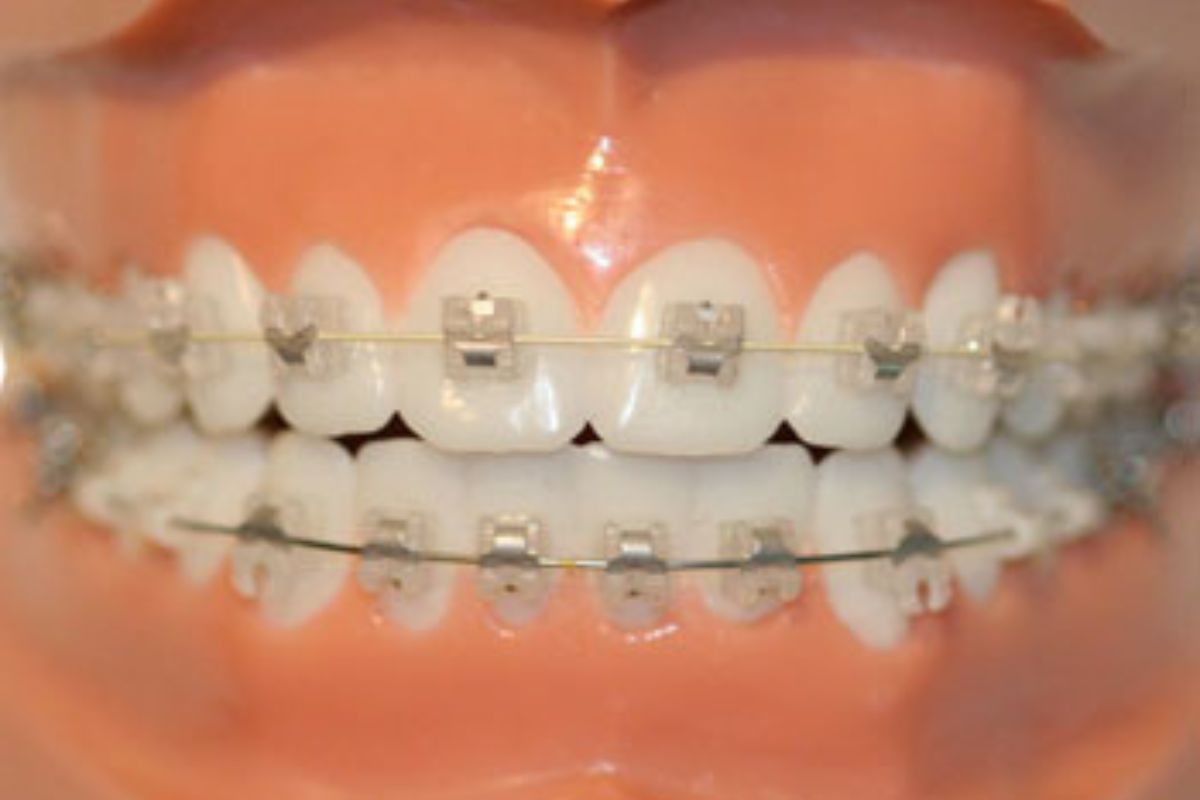
Ceramic braces use clear or tooth-colored brackets bonded to the front of your teeth. They blend with your natural enamel, making them far less obvious than metal ones. Orthodontists often recommend them for teens and adults who want subtlety without going fully invisible.
These brackets work like traditional braces. Wires and elastics gradually shift teeth into place. Treatment typically lasts 18 to 24 months, depending on your bite and alignment needs. Maintenance involves regular brushing and flossing to avoid plaque buildup around the brackets.
Patients love how they handle mild to moderate crowding or spacing. Yet, up close or in bright light, the brackets and wires can still catch the eye. Staining from coffee or tea poses another challenge, as the material absorbs pigments over time.
Exploring Lingual Braces: The Invisible Option
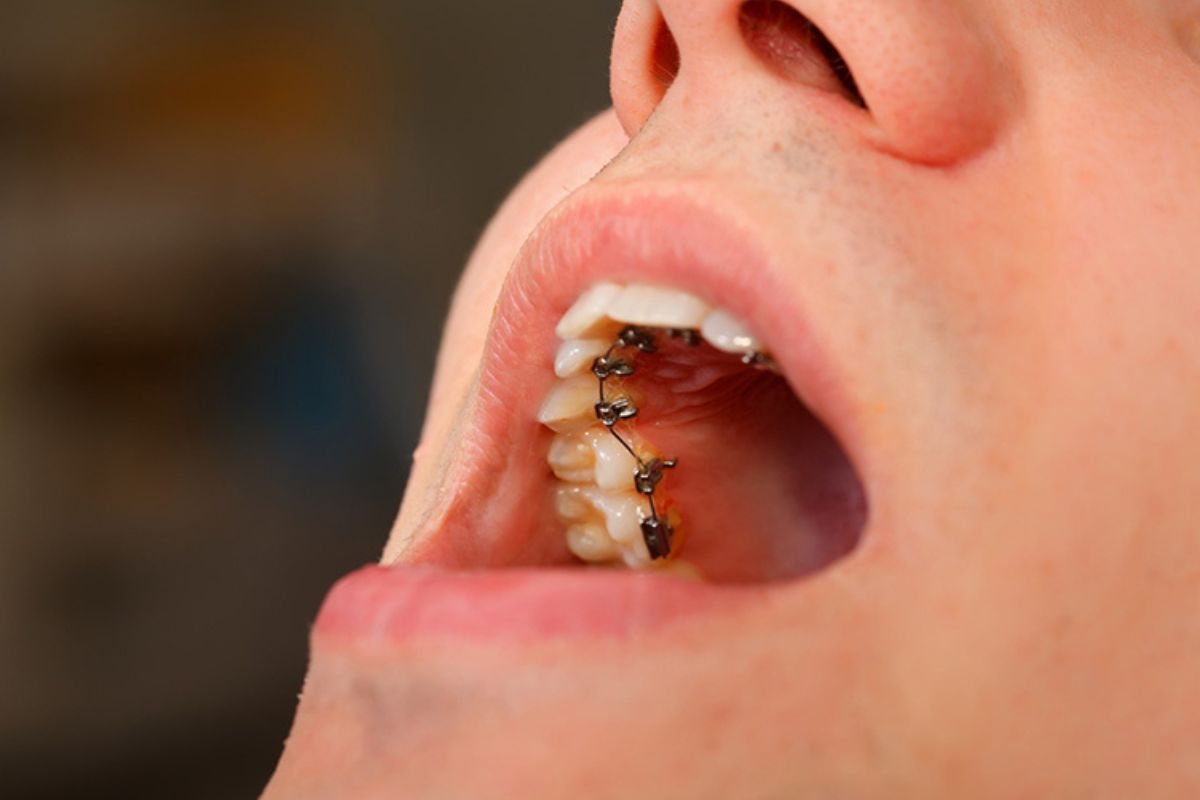
Lingual braces flip the script. Placed on the backside of your teeth, they stay completely hidden from view. No one notices during conversations, photos, or professional meetings. This design mimics traditional braces but keeps everything out of sight.
Custom fabrication ensures a precise fit to your tongue side. They tackle everything from overbites to crossbites with the same precision as front-facing systems. Initial adaptation takes a week or two—your tongue might feel crowded at first. Speech adjustments, like a slight lisp, often fade quickly.
For busy professionals or public speakers, this invisibility shines. Cleaning requires special tools, like interdental brushes, but the payoff is a treatment no one sees.
Key Differences Between Lingual and Ceramic Braces
Both options straighten teeth effectively, but their placement and materials set them apart. Ceramic braces prioritize front-facing discretion with translucent components. Lingual braces go further, eliminating visibility entirely.
Here’s a quick comparison table highlighting key stats and factors:
| Aspect | Ceramic Braces | Lingual Braces |
|---|---|---|
| Visibility | Noticeable up close; blends with teeth | Completely invisible from front |
| Bracket Failure Rate (12-month study) | 1.1% (lower breakage in some trials) | Similar to metal: ~7% overall |
| Success Rate | 95% patient satisfaction | 94% satisfaction; 100% for complex cases |
| Adaptation Time | Minimal; comfortable from day one | 1-2 weeks for speech/tongue |
| Durability | Prone to staining and chipping | Highly durable; no front exposure |
| Best For | Mild-moderate alignment | Severe bites; high discretion needs |
Data drawn from clinical reviews shows lingual braces excel in aesthetic demands, while ceramics offer easier initial comfort. Choose based on your lifestyle—do you crave zero visibility, or is subtle enough?
The Top Advantages of Opting for Lingual Braces
Why lean toward lingual? Start with unmatched privacy. Imagine acing a job interview or wedding toast without self-conscious glances at your smile. Studies confirm 80% of lingual wearers report boosted confidence from this feature.
They handle complex orthodontic issues better. For rotated teeth or jaw misalignments, the inner placement allows precise control without front interference. Unlike ceramics, they resist everyday stains—no more worrying about that morning latte.
Customization boosts effectiveness. Each set molds to your unique dental arch, reducing slippage risks. Patients often finish treatment on schedule, avoiding delays from bracket swaps.
Comfort improves over time too. Once adjusted, irritation drops sharply. Many describe the sensation as similar to tongue piercings—annoying briefly, then forgotten.
Lingual braces suit active lifestyles. Athletes and musicians appreciate the lack of front protrusions that could snag or irritate during play.
When Ceramic Braces Might Suit You Better
Ceramic braces aren’t without merits. If budget flexibility matters or you prefer quicker setup, they’re straightforward. Placement takes less time since no lingual expertise is needed.
They’re gentler on the tongue initially. No adaptation phase means diving straight into daily routines. For shorter treatments, like six months for minor tweaks, ceramics keep things simple.
Staining concerns? Opt for polished versions or diligent oral hygiene. They still outperform metal in social settings, drawing fewer comments.
That said, if total invisibility calls to you, ceramics fall short. Weigh your priorities—subtle versus unseen.
Real Patient Insights on Discreet Orthodontic Choices
Switching to lingual braces transformed my routine. As a Darien-based consultant, client meetings demand poise. Front braces? Not an option. The hidden design let me focus on work, not wires. When exploring our braces treatment in Darien, CT, locals often echo this—seamless integration into coastal life, from beach runs to boardrooms.
Maintenance tips help too. Use a water flosser daily. It reaches those tricky back spots effortlessly. Pair with fluoride rinses for enamel protection. These habits cut down on check-up tweaks, keeping progress steady.
If you are searching for an orthodontist near you, look for specialists trained in both systems. Experience ensures smooth sailing, from fitting to final reveal.
Trending FAQs on Lingual vs. Ceramic Braces
Curious about specifics? Here’s what people commonly ask, based on top search trends:
- What’s the main difference between lingual and ceramic braces? Ceramic brackets sit on the front and blend with teeth for reduced visibility. Lingual ones hide behind teeth, offering full invisibility.
- Do lingual braces affect speech more than ceramic? Yes, initially—a mild lisp may appear for days. Ceramic braces rarely impact talking at all.
- Are lingual braces harder to clean? They demand more effort due to location. Special brushes and floss threaders make it manageable, unlike ceramics’ front access.
- How long until I adjust to lingual braces? Most adapt in 1-2 weeks. Ceramics feel natural right away.
- Can lingual braces fix severe misalignment? Absolutely—they match traditional braces in power, outperforming ceramics for tough cases.
These answers address everyday worries, drawing from patient feedback and expert insights.
Embracing Your Path to a Straighter Smile
You’ve weighed the options: lingual braces deliver peak discretion and versatility, edging out ceramics for those craving an unseen journey. Whether mild tweaks or major shifts, the right choice aligns with your goals. Picture unveiling a radiant, even smile that feels authentically you.
Ready to explore? Schedule your consultation today and step toward that flawless grin.