Darien Location
Can Braces Prevent Future Dental Problems in Teens?


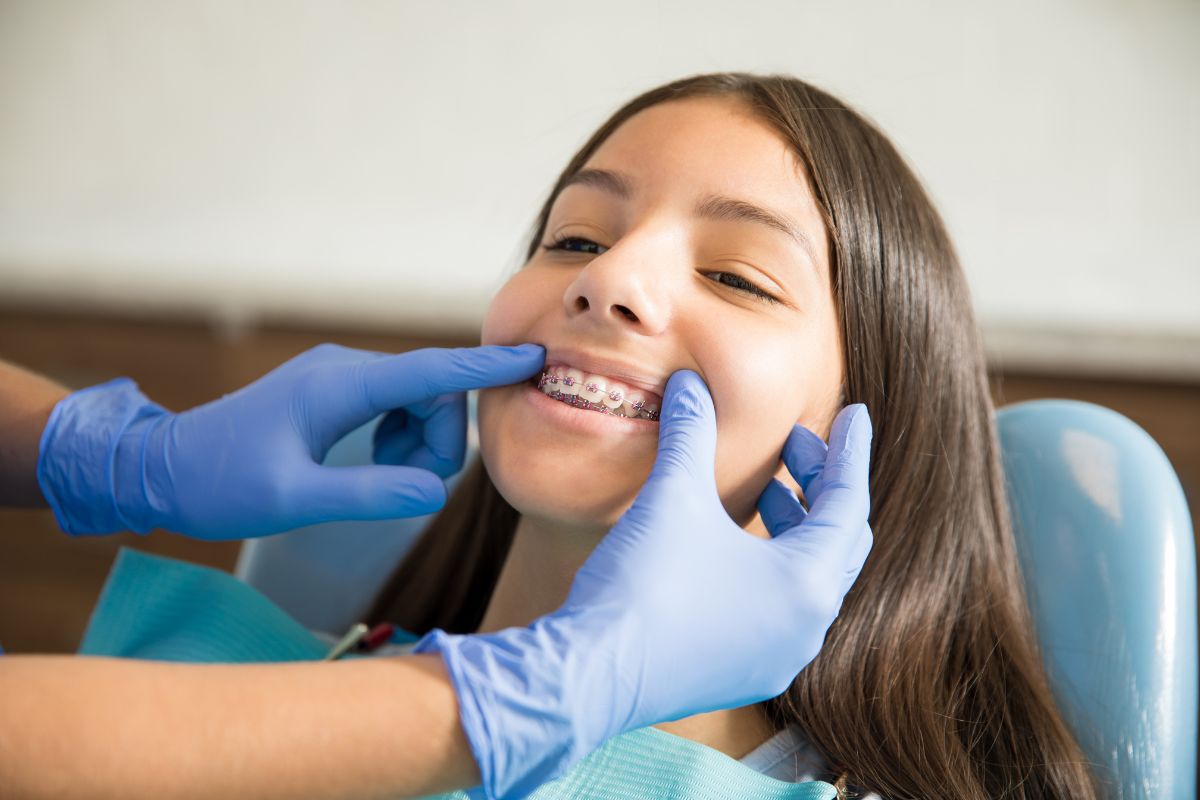
Teen years bring big changes, from school pressures to social adventures. Amid all that, a healthy smile can make a world of difference. Many parents wonder if early steps like orthodontic care could safeguard their child’s oral health down the road. This post dives into that question, offering clear answers and practical advice to help families make informed choices.
Understanding Common Dental Challenges in Teens
Adolescence often sees rapid jaw growth and permanent teeth settling in. Crowded teeth or uneven spacing can emerge. These issues might seem minor at first. Yet they can lead to bigger concerns over time.
Misaligned bites, like overbites or underbites, affect how teeth meet. This can strain the jaw. Speech patterns might shift too. Gaps between teeth trap food particles. That raises the chance of plaque buildup.
Hormonal shifts in teens can make gums more sensitive. Combined with poor alignment, this invites inflammation. Early attention to these signs matters. It sets the stage for stronger habits.
Parents notice habits like thumb-sucking lingering into teen years. These can push teeth out of place. Nighttime grinding adds wear. Spotting patterns early helps.
How Braces Address These Issues
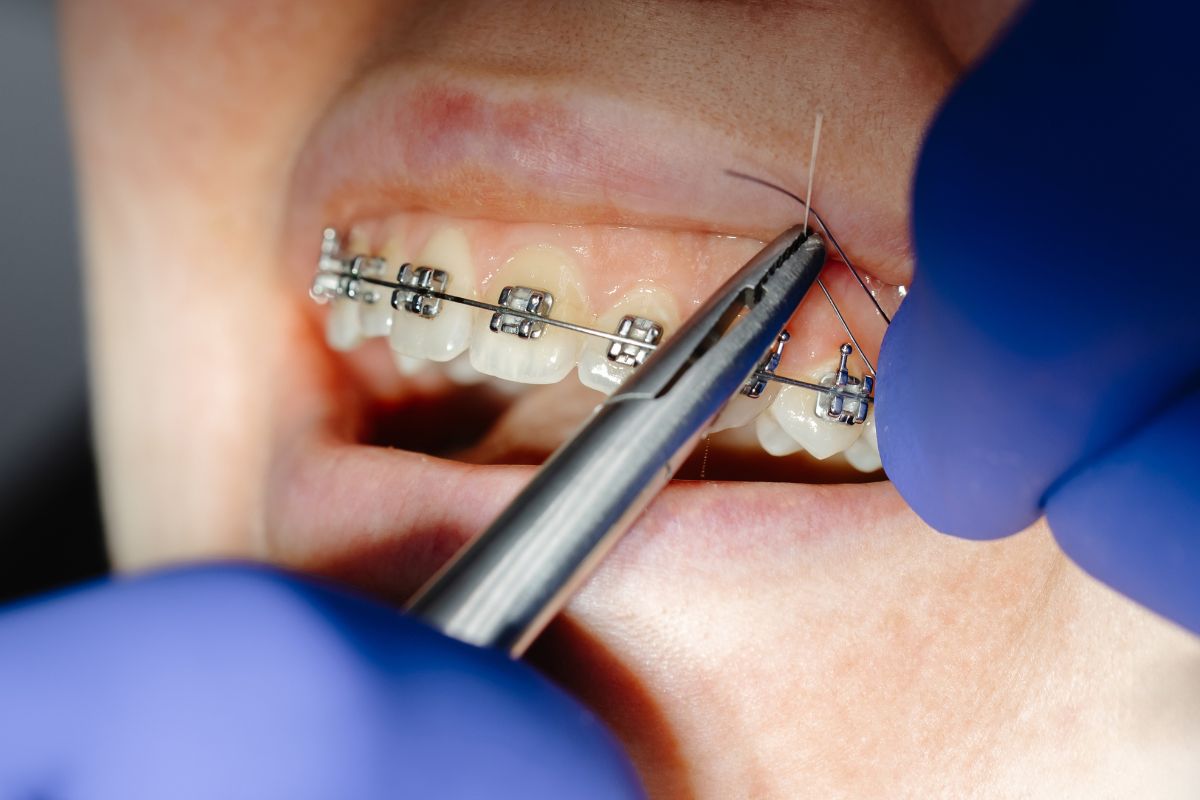
Braces apply gentle, steady pressure to guide teeth. Wires and brackets work together. Over months, they shift positions.
This process corrects overcrowding. It closes gaps. Bites align properly. The result? A balanced structure.
Jaw development benefits too. In growing teens, braces influence bone growth. They prevent imbalances.
Cleaning becomes simpler with straight teeth. Brushing reaches all surfaces. Flossing glides easily. Reduced hidden spots mean less decay risk.
Orthodontists tailor plans. They use X-rays for precision. Adjustments happen regularly. Progress tracks smoothly.
Key Preventive Benefits of Braces
Braces do more than straighten smiles. They tackle root causes of problems.
Aligned teeth resist uneven wear. This avoids chipping or cracking later. Jaw joints stay healthy, cutting TMJ disorder risks.
Gum health improves. Straight teeth support firm gum attachment. Less inflammation occurs.
Breathing and sleep enhance. Corrected bites open airways. Snoring or apnea risks drop.
Confidence grows. Teens feel better about their appearance. This encourages consistent care routines.
Long-term, fewer interventions are needed. No bridges or implants down the line. Overall wellness ties in.
In Rye, where active lifestyles thrive, local orthodontists emphasize these perks. They draw from community trends, like sports involvement, to customize care.
Statistics on Orthodontic Treatment in Teens
Orthodontic care is common among adolescents. Here’s a quick look at key data:
| Statistic | Detail | Source Insight |
|---|---|---|
| Teens Needing Treatment | 70-80% may benefit from some orthodontic work | Orthodontic Specialists estimates |
| In Treatment | About 23-31% of 3-17 year-olds receive regular care | KiGGS studies |
| Wearing Braces | Roughly 3 million North American teens | AAO reports |
| Ideal Start Age | Often 10-14 years | Common recommendation |
| Benefit Rate | Up to 75% could improve alignment and structure | Various dental stats |
These numbers show widespread need. Early action yields strong results.
Types of Braces Available for Teens
Options suit different needs. Metal braces remain popular. They’re durable and effective for complex cases.
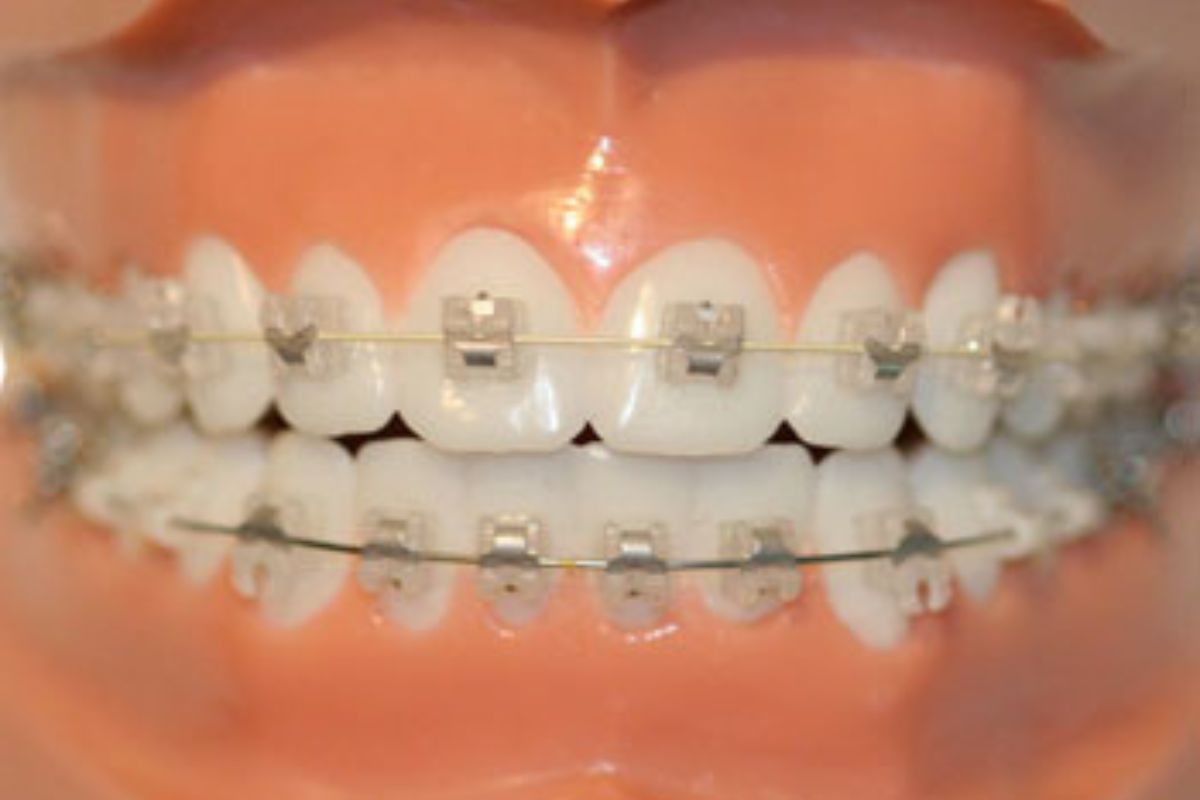
Ceramic versions blend with teeth. Less noticeable for self-conscious teens.
Clear aligners offer flexibility. Removable for meals and sports. They require discipline, worn 20-22 hours daily.
Each type corrects similar issues. Choice depends on lifestyle.
Orthodontists in areas like Rye often recommend based on activity levels. Active teens might prefer sturdy metal.
Maintenance varies. All need good hygiene. Regular check-ins ensure success.
What to Expect During Treatment
Treatment spans 1-3 years. It starts with a consultation. Impressions and photos guide the plan.
Placement day is straightforward. No pain, just adjustment time.
Soreness fades in days. Soft foods help at first.
Visits occur every 4-8 weeks. Wires tighten gradually.
Daily life adapts. Sports continue with mouthguards. Eating habits shift to avoid sticky items.
Support from peers normalizes it. Many classmates share the experience.
Trending FAQs on Braces for Teens
Many search for quick answers on this topic. Here are some frequently asked questions from Google, with clear responses:
- What is the best age for teens to get braces? Most start between 10 and 14, when jaws still grow and permanent teeth are in place. Early evals at age 7 spot issues sooner.
- Do braces hurt for teenagers? Initial discomfort lasts a few days after adjustments. Over-the-counter relief helps. Modern designs minimize pain.
- How long do teens usually wear braces? Typically 1-3 years, depending on case complexity. Consistent wear shortens time.
- Can teens play sports with braces? Yes, with protective gear like mouthguards. It prevents injuries.
- Are clear aligners effective for teens? They work well for mild to moderate cases. Teens must commit to wearing them most of the day.
These cover common curiosities. Always consult a professional for personalized advice.
Addressing Parent and Teen Concerns
Parents often worry about commitment. Teens fear appearance changes. Open talks ease this.
Explain benefits clearly. Share success stories. Focus on the end goal: a confident smile.
Hygiene routines build responsibility. Teens learn independence.
Emotional support matters. Praise progress. It keeps motivation high.
If you are searching for an orthodontist near you, consider one experienced in teen cases. They understand unique needs.
When to Consider Orthodontic Evaluation
Signs include crowded teeth or jaw clicks. Difficulty chewing signals issues.
AAO suggests checks by age 7. This allows monitoring.
Teens with a family history of misalignment benefit early.
In communities like Rye, NY, access to specialists is straightforward. They use advanced tools for accurate assessments.
Don’t wait for problems to worsen. Proactive steps pay off.
Making the Decision Together
Talk as a family. Weigh pros and cons. Involve your teen in choices.
Research shows early intervention works best. It aligns with growth phases.
Ready to move forward? Let’s chat about next steps in a relaxed way. Why not set up a consultation to explore options?
Building Lifelong Oral Health Habits
Braces teach valuable lessons. Daily care becomes routine.
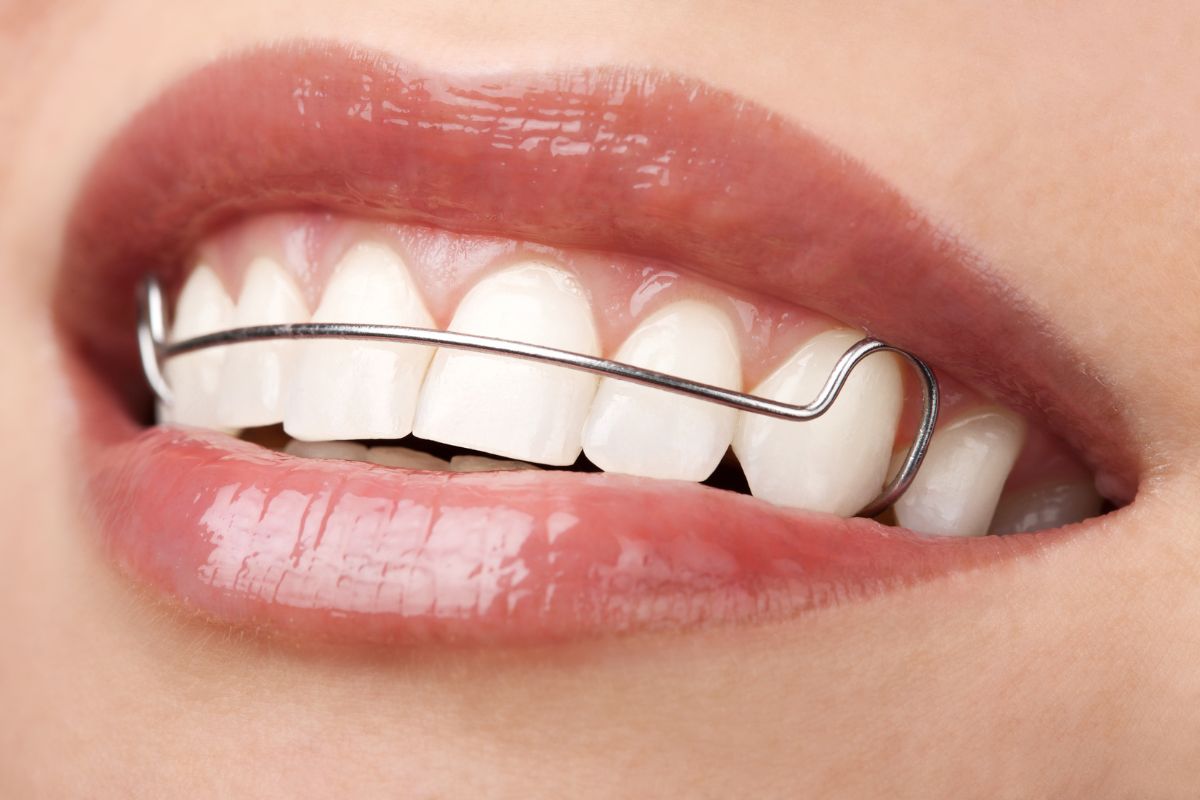
Post-treatment retainers maintain results. Follow-ups ensure stability.
Teens carry these habits into adulthood. Strong foundations last.
A Brighter Future Awaits
With the right care, teens gain more than straight teeth. They build resilience and pride. Orthodontic steps today lead to healthier tomorrows. If concerns linger, schedule an appointment to discuss personalized paths forward. Your smile journey starts now.