Darien Location
How Do Braces Affect a Teenager’s Daily Oral Hygiene Routine?


Teen years bring plenty of changes, and getting braces often tops the list for many. These devices straighten smiles, but they also shake up how you care for your teeth each day. Suddenly, simple tasks like brushing feel different. Food gets stuck more easily, and skipping a step could lead to bigger issues. Understanding these shifts helps teens stay on top of their game, keeping their mouths healthy while working toward that perfect grin.
Understanding the Basics of Braces and Oral Care
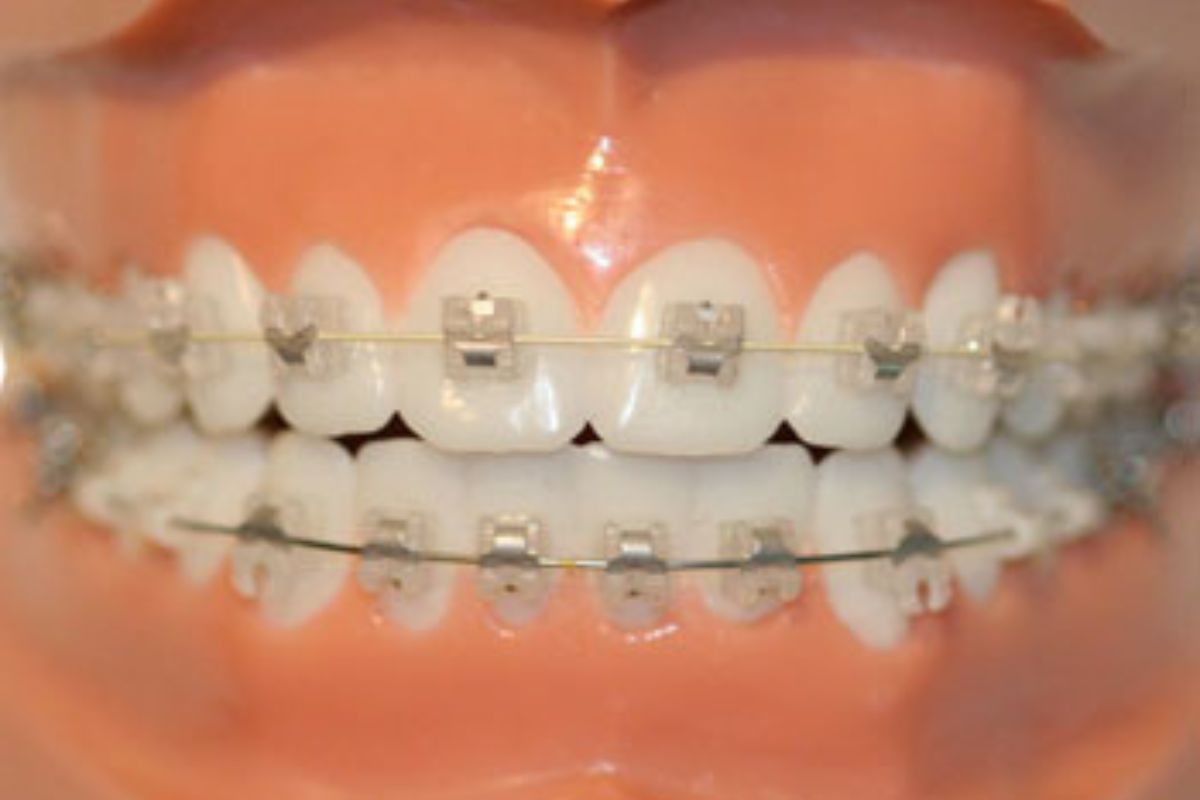
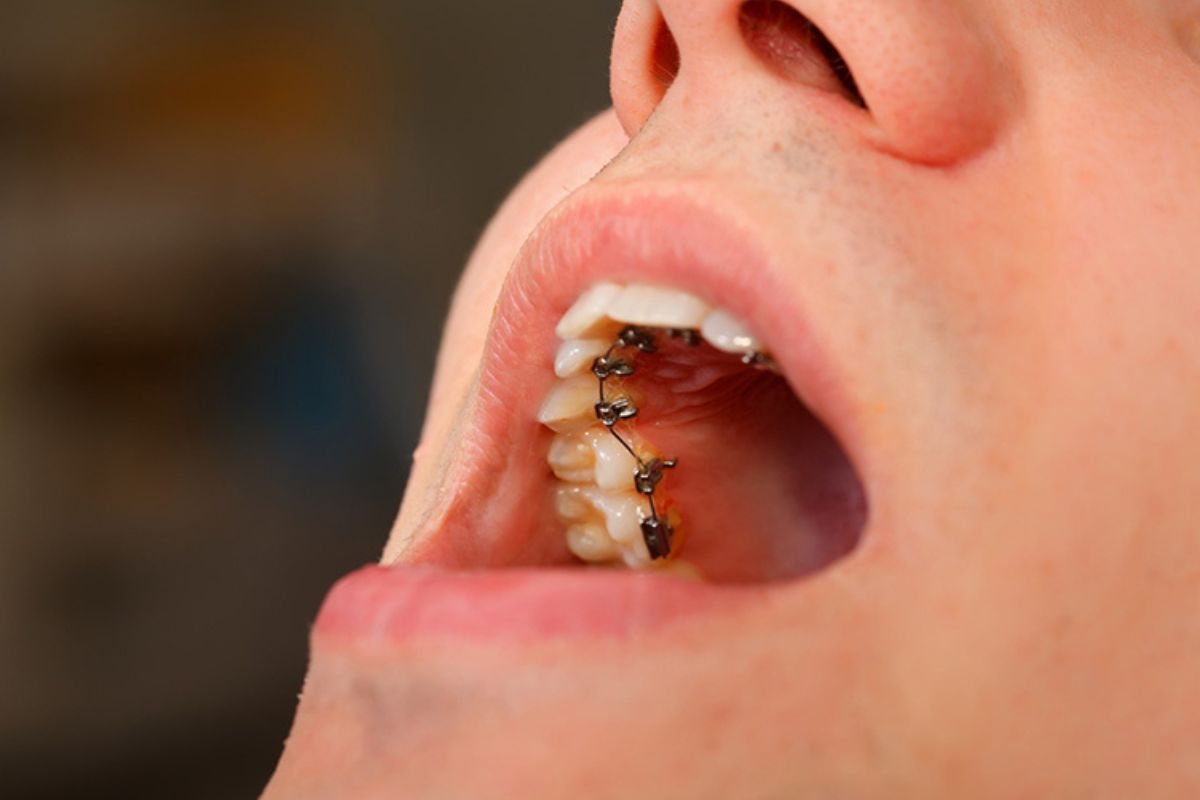
Braces work by applying steady pressure to shift teeth into better positions. For teens, braces treatment tackles common alignment problems that emerge during growth spurts. Yet, the brackets and wires create extra spots where plaque and bits of food can hide. This setup demands more attention to prevent buildup that harms enamel or irritates gums.
Daily routines must adapt right away. What used to be a quick brush now involves targeted techniques. Teens might notice their mouths feel crowded at first, making it tempting to rush through hygiene steps. But consistency pays off, reducing risks like cavities or swollen gums. Experts stress that good habits during this phase set the foundation for lifelong dental health.
Key Changes in Brushing Habits
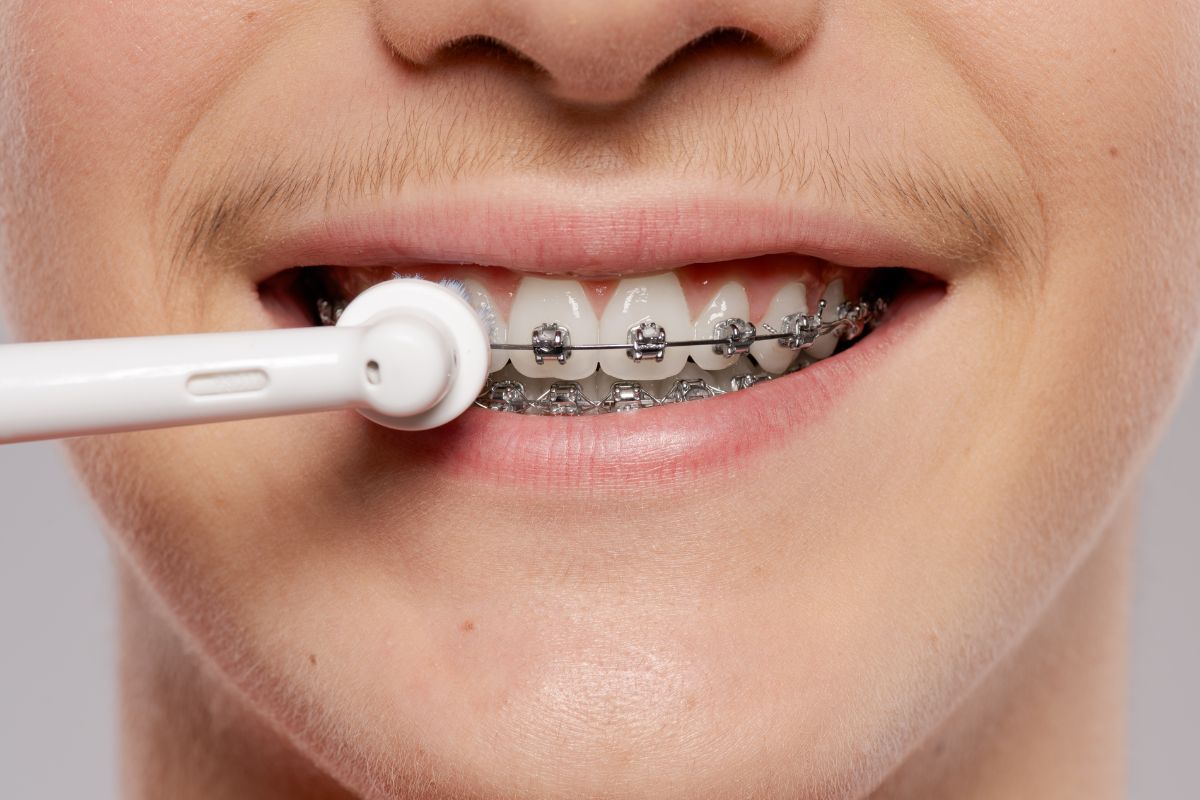
Brushing remains the cornerstone of oral care, but braces call for tweaks. Use a soft-bristled toothbrush to gently clean around each bracket. Angle the brush at 45 degrees to reach above and below the wires. Spend at least two minutes per session, focusing on small circles rather than harsh scrubbing.
Frequency matters too. Brush after every meal, not just morning and night. This removes trapped particles before they harden into plaque. Electric toothbrushes can help, as their vibrations dislodge debris more effectively. Pair it with fluoride toothpaste to strengthen teeth against decay.
Don’t overlook the gumline. Braces can push food toward the gums, leading to inflammation if ignored. Gentle massaging with the brush keeps this area clean. Over time, these adjustments become second nature, turning a chore into a quick ritual.
Mastering Flossing with Braces
Flossing jumps in difficulty with braces in place. Standard string floss won’t easily slide between teeth due to the archwire. That’s where floss threaders come in handy. These tools loop floss under the wire, allowing you to clean between each tooth.
Aim to floss once daily, ideally at night. Water flossers offer another option, blasting away debris with a stream of water. They’re especially useful for teens who find traditional flossing tricky. This step prevents interdental plaque, which brushing alone misses.
Patience is key here. It might take longer at first, but the effort wards off issues like gum disease. Regular flossing also freshens breath, a bonus for social teens.
Additional Tools for Effective Cleaning
Beyond basics, extra aids enhance hygiene. Interproximal brushes fit between brackets to sweep out stuck food. They’re slim and easy to carry in a backpack for on-the-go use.
Mouth rinses with fluoride or antimicrobial properties rinse away lingering bacteria. Use them after brushing for an added layer of protection. Orthodontic wax covers sharp edges that might irritate cheeks, making the whole process more comfortable.
Keep a travel kit ready. Include a compact brush, floss, and wax for school or outings. These small additions make maintaining cleanliness effortless throughout the day.
Diet Adjustments to Support Hygiene
What you eat influences oral health with braces. Sticky or hard foods like caramel or nuts can break wires and trap residues. Opt for softer choices such as yogurt, smoothies, or steamed veggies instead.
Crunchy fruits and vegetables act as natural cleaners, scrubbing teeth as you chew. Limit sugary drinks, which feed bacteria and increase decay risk. Drinking water after meals helps rinse away particles too.
These tweaks not only protect braces but also promote overall wellness. Teens often find that mindful eating boosts energy for daily activities.
Common Challenges and Solutions
Teens with braces might face soreness or white spots on teeth from poor cleaning. Address soreness with over-the-counter relief or wax on pokey wires. White spots signal demineralization, avoidable through diligent hygiene.
Bad breath can crop up from trapped food. Combat it with thorough rinsing and tongue brushing. If gums bleed during cleaning, it often means inflammation—step up your routine, and it should improve.
Regular checkups catch these issues early. Your dental team provides personalized tips, ensuring smooth progress.
| Oral Health Issue | Percentage Affected Among Teens | Source Insight |
|---|---|---|
| Gum Bleeding | 75% | Recent data show this is common due to inconsistent hygiene. |
| Untreated Cavities | 13% | Linked to plaque buildup around braces. |
| Dental Caries Prevalence | 58% | Little improvement in adolescent groups over years. |
| Need for Orthodontic Treatment | Nearly 50% | Estimates for functional bite issues. |
Trending FAQs on Braces and Teen Oral Hygiene
Many parents and teens search for answers on how braces impact daily routines. Here are some frequently asked questions based on popular searches:
- How often should a teen brush with braces? Brush after every meal and at least twice more daily, totaling 4-5 times, to clear debris promptly.
- What’s the best way to floss with braces? Use a floss threader or water flosser to navigate under wires, doing it once daily to prevent plaque between teeth.
- Can braces cause gum problems? Yes, if hygiene slips, leading to inflammation; consistent care keeps gums healthy.
- How do I clean around brackets effectively? Angle your brush and use interproximal tools for thorough removal of food and plaque.
- What foods should teens avoid with braces? Skip sticky, hard, or sugary items to prevent damage and ease cleaning.
Building Long-Term Habits
As teens adapt, these routines foster discipline that lasts beyond treatment. Good oral care boosts confidence, especially during social years. It also prevents future complications, like uneven wear on teeth.
Parents play a role by encouraging consistency without nagging. Set reminders or make it a family activity. Over months, teens often take ownership, seeing the benefits in their improving smiles.
If you’re seeking guidance, chatting with an orthodontist near Rye, NY, can provide tailored advice in a relaxed setting. They understand local teen lifestyles and offer practical strategies.
Staying proactive ensures braces deliver results without setbacks. Embrace the changes—they lead to a healthier, brighter future.
In wrapping up, remember that braces are a temporary step toward lasting benefits. With the right approach, teens navigate this phase smoothly. Ready to get started or need more tips? Consider reaching out to schedule an appointment for expert support.