Darien Location
How Do Clear Ceramic Braces Compare to Traditional Metal Ones?


Choosing the right path to a straighter smile can feel overwhelming with so many options available today. Both clear ceramic and traditional metal braces have helped countless people achieve aligned teeth and boosted confidence. This post breaks down their key differences to help you decide what might work best for your needs.
Understanding the Basics of Braces
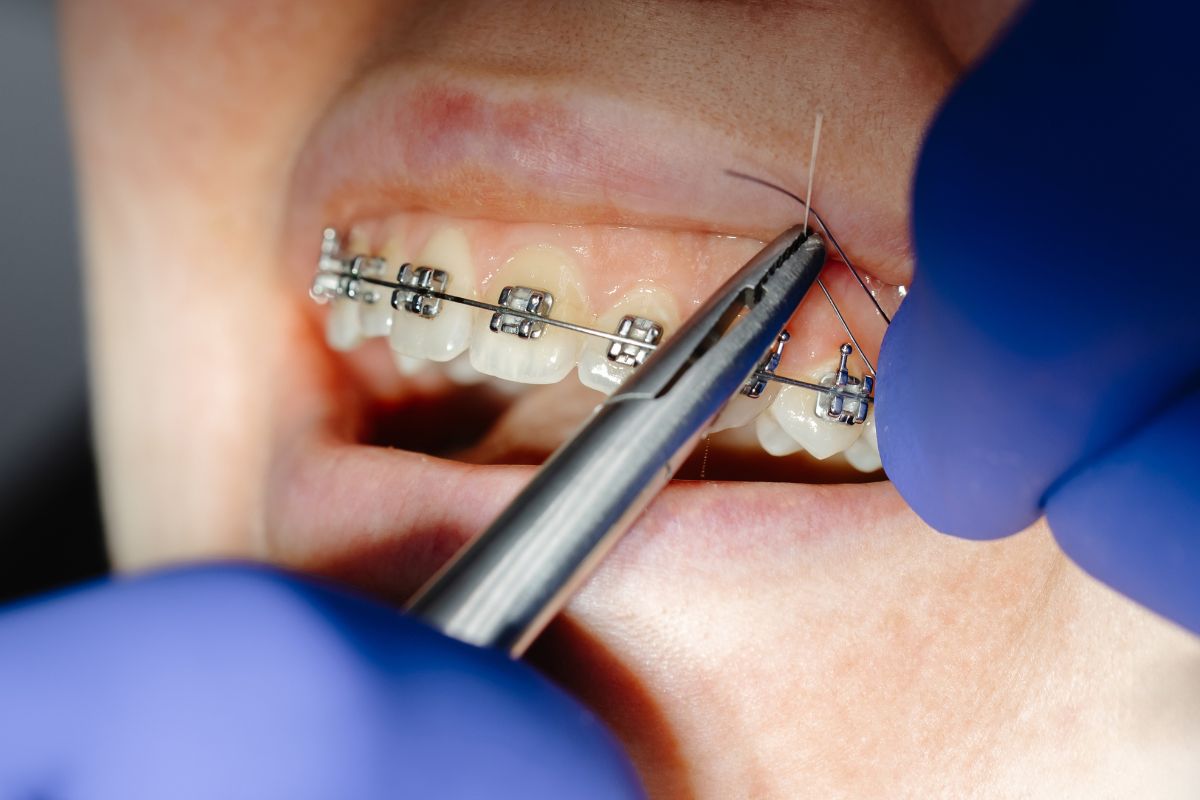
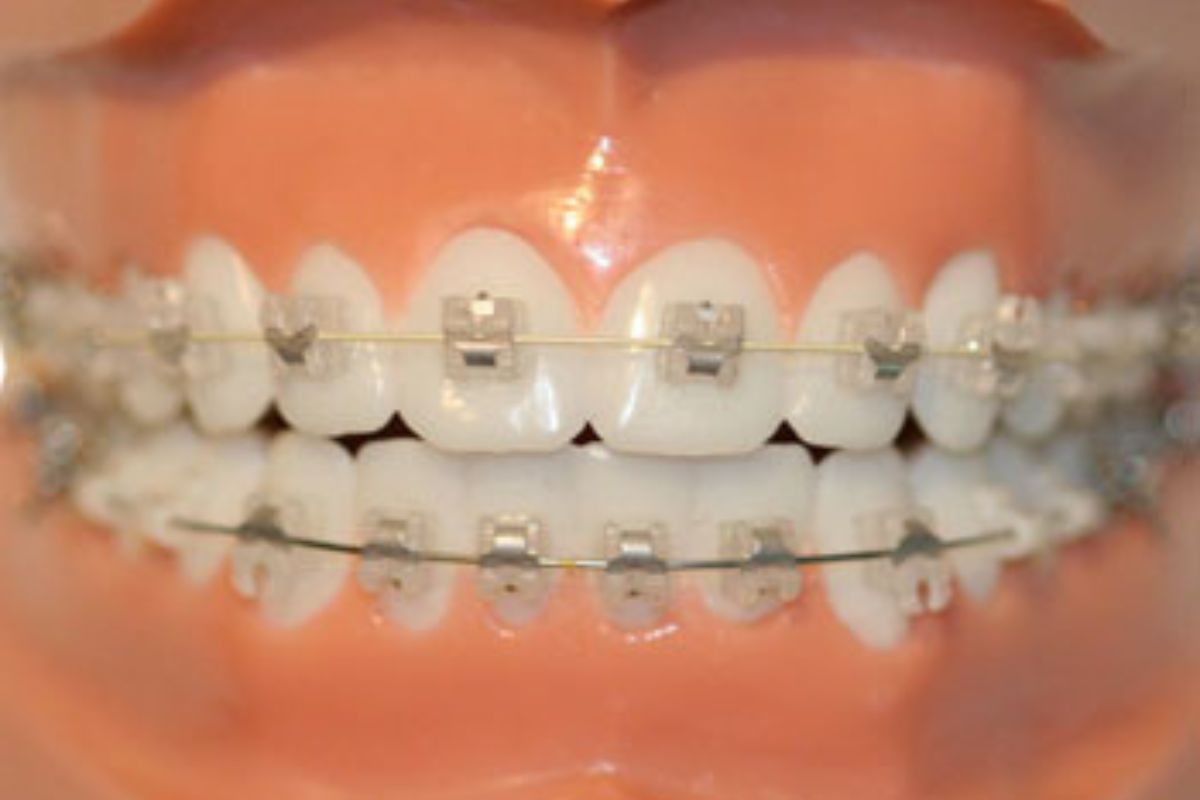
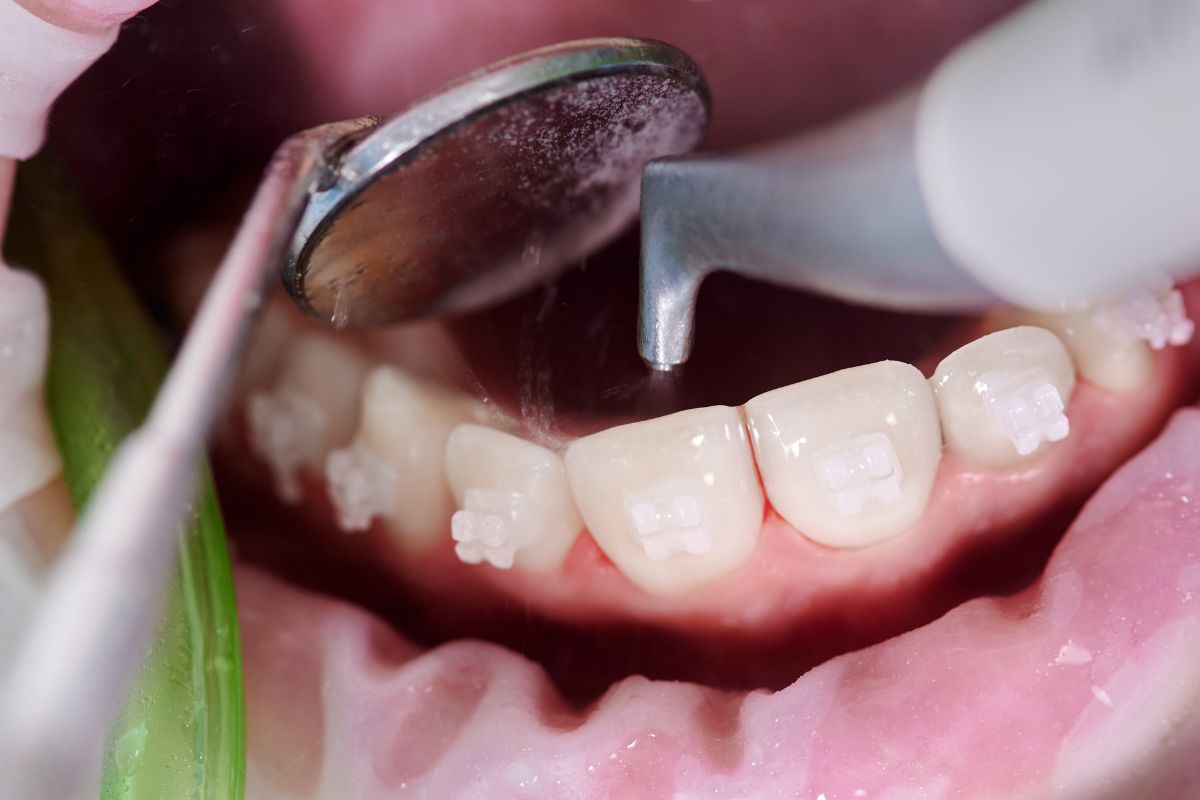
Braces straighten teeth by applying steady pressure over time. They consist of brackets attached to teeth, connected by wires and bands. Metal braces use stainless steel components, known for their reliability. Ceramic braces feature tooth-colored or transparent brackets, often paired with white wires for a subtle look.
Both types address issues like crowding, gaps, and bite problems. Orthodontists customize them based on individual dental structures. Treatment typically lasts 18 to 24 months, depending on complexity.
Aesthetics and Visibility
One standout difference lies in appearance. Metal braces show clearly with their silver brackets and wires, which some embrace as a bold style statement. Ceramic versions blend seamlessly with natural tooth shades, making them harder to spot from afar.
This discretion appeals to adults in professional settings or teens mindful of photos. Recent trends show a resurgence in metal braces, thanks to social media influences, but ceramic remains popular for those seeking subtlety.
Comfort and Irritation Levels
Comfort varies between the two. Metal braces might feel bulkier at first, sometimes causing minor cheek or lip irritation until you adjust. Ceramic braces often have smoother, rounded edges that reduce friction against soft tissues.
Many patients report less initial discomfort with ceramics. Adjustments involve tightening wires, which can cause temporary soreness in both cases. Using wax on brackets helps ease any poking sensations early on.
Durability and Strength
Strength is another key factor. Metal braces excel in toughness, resisting breaks from hard foods or impacts. They suit active lifestyles, like sports, without much worry.
Ceramic braces, while sturdy, can chip if you bite into something tough. This makes them better for those who avoid chewy or crunchy items. Repairs are straightforward, but prevention keeps treatment on track.
| Aspect | Metal Braces | Ceramic Braces |
|---|---|---|
| Popularity (2025 Stats) | 30% of treatments | 12% of treatments |
| Durability Rating | High (resistant to breakage) | Medium (prone to chipping) |
| Visibility Level | High (noticeable) | Low (blends with teeth) |
| Comfort Score | Moderate | High (smoother edges) |
Treatment Effectiveness and Timeline
Both deliver strong results for most orthodontic needs. Metal braces sometimes handle complex cases more efficiently due to their robust design. Ceramics perform equally well for mild to moderate alignments.
Timelines align closely, with regular check-ups ensuring progress. Factors like age and compliance influence speed. Consistent wear of elastics, if needed, boosts outcomes for either type.
In areas like Darien, CT, and Rye, NY, local specialists often recommend based on your specific bite. They draw from years of experience to tailor plans that fit daily life.
When considering braces treatment in bustling communities, it’s wise to explore options that match your routine. Experts here emphasize personalized approaches for lasting smiles.
Maintenance and Daily Care
Care routines share similarities but have nuances. Both require brushing after meals and flossing with tools like threaders. Metal braces clean easily, though food particles might stick.
Ceramics need extra attention to avoid staining from coffee or curry. Using non-abrasive toothpaste helps maintain their clear look. Regular cleanings keep everything hygienic.
If you’re ready to discuss your options, schedule an appointment with a trusted professional. They can guide you through the process step by step.
Trending FAQs on Clear Ceramic vs. Metal Braces
Here are some frequently asked questions based on what people search online:
- Are ceramic braces better than metal ones? It depends on priorities. Ceramics offer a discreet appearance, while metals provide superior strength for tougher cases. Both effectively straighten teeth.
- Do ceramic braces stain easily? Yes, they can yellow from certain foods or drinks, but good oral hygiene and avoiding staining agents minimize this issue.
- Which is more comfortable, ceramic or metal braces? Ceramics often feel smoother and cause less irritation to cheeks and gums compared to the sharper edges of some metal brackets.
- How long does treatment take with each type? Both typically take 18-24 months, though complex alignments might extend this slightly for either option.
- Can ceramic braces break more easily? They are more brittle than metal, so careful eating habits help prevent chips or cracks during treatment.
Whether you’re in a vibrant spot like Rye, NY, or nearby areas, finding the right fit starts with expert advice. Think about chatting with an orthodontist near Darien, CT or Rye, NY—they can share insights tailored to local lifestyles and help you weigh these choices conversationally over a quick consult.
Ultimately, both clear ceramic and metal braces lead to beautiful results when handled by skilled hands. They transform smiles while building confidence along the way.
Ready to take the next step? Schedule an appointment today to explore what suits you best and start your journey to a straighter smile.