Darien Location
Is a Loose Band an Orthodontic Emergency?


Imagine biting into your favorite apple, only to feel something shift uncomfortably in your mouth. That’s the moment many patients discover a loose band on their braces. It’s unsettling, right? But before you panic, let’s dive into what this really means for your smile journey. As an orthodontic enthusiast who’s seen countless stories like yours, I promise: knowledge is your best friend here. We’ll unpack the facts, share practical steps, and ease those worries so you can get back to grinning confidently.
What Exactly Is a Loose Band in Braces?
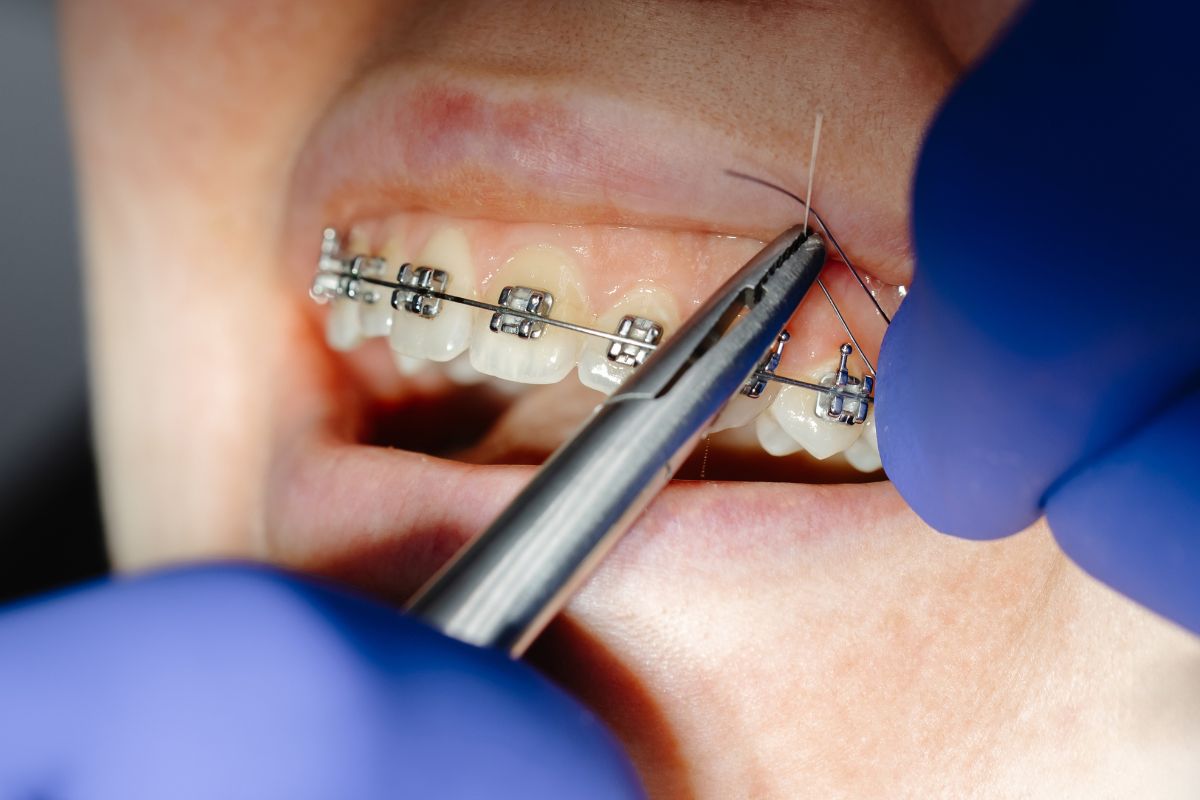
Orthodontic bands are those snug metal rings cemented around your back teeth, usually molars. They anchor the wires that gently guide your teeth into place. Unlike brackets on the front, bands provide extra stability for tougher spots.
A loose band happens when this cement weakens. It might wobble slightly or pop off entirely. This isn’t rare—think of it as a minor hiccup in your treatment plan. Early detection keeps things on track.
Spotting the Signs of a Loose Band
Catching it early makes all the difference. Watch for these clues:
- A strange, metallic taste from exposed cement.
- Increased space between the band and your tooth.
- Mild discomfort when chewing, like something’s not quite right.
- Visible movement if you gently probe with a clean finger (but don’t force it!).
If it’s just dangling but still attached, that’s your cue to act. Ignoring subtle shifts can lead to bigger issues down the line.
Does a Loose Band Count as a True Emergency?
Short answer: Usually not. True orthodontic emergencies involve sharp pain, cuts from poking wires, or trauma from a fall. A loose band? It’s more of an urgent fix than a red-alert situation.
That said, delays matter. Without the band, your alignment could stall. Studies show loose components like bands account for about 31% of reported orthodontic hiccups. Prompt care prevents prolonged discomfort or uneven progress.
In areas where busy schedules rule, knowing this helps. An orthodontic emergency in Rye, NY, might involve immediate trauma, but a loose band calls for a quick check-in, not an ER dash.
Steps to Take Right Away: Your Action Plan
Stay calm—here’s how to handle it like a pro.
First, rinse your mouth with warm water. This clears debris without irritation.
If the band’s off, save it! Place it in a zip bag. It might be reusable.
For irritation, grab orthodontic wax from your kit. Pinch off a piece, soften it between fingers, and press it over the spot. Relief in seconds.
Skip DIY fixes like super glue— that’s a recipe for trouble. Instead, call your orthodontist that day. Most offices slot in quick repairs.
In the meantime, stick to soft foods: yogurt, soups, smoothies. Avoid chewy treats that could worsen the shift.
Common Orthodontic Issues at a Glance
To put loose bands in perspective, here’s a quick stats table based on orthodontic reports. It highlights how frequent these are and why early action pays off.
| Issue | Frequency (%) | Urgency Level | Typical Fix Time |
|---|---|---|---|
| Loose Brackets | 60 | Moderate | 15-30 minutes |
| Impinging Wires | 48 | High | Same-day |
| Loose Bands | 31 | Moderate | 20-45 minutes |
| Loose Buccal Tubes | 31 | Low | Next visit |
| Ligation Failures | 25 | Low | Quick tweak |
These numbers come from patient surveys during routine checkups. See? You’re not alone.
How to Prevent Bands from Loosening
Prevention beats cure every time. Start with your habits.
Brush twice daily, flossing around wires like a boss. This keeps cement intact.
Ditch hard candies and ice-crunching. Opt for carrots over caramel.
Wear your mouthguard during sports—impact is a top culprit.
Regular visits? Non-negotiable. Adjustments catch weaknesses early.
LSI terms like “braces maintenance” and “molar stability” tie into this. Consistent care means fewer surprises.
When to Escalate: Red Flags to Watch
Most loose bands resolve easily. But escalate if pain spikes, swelling appears, or infection signs emerge—like fever or pus.
Trauma from a bike mishap? That’s emergency territory. Head to your provider pronto.
Natural language here: Think of your braces as a team effort. Your role? Report changes fast.
Trending FAQs on Loose Bands and Braces
Based on what folks commonly search—here’s a roundup of hot questions with straight-talk answers. These pop up often in orthodontic chats.
- What causes a loose band on braces? Culprits include hard foods, poor oral hygiene, or natural cement wear. It’s common mid-treatment, affecting molars most.
- How soon should I see an orthodontist for a loose band? Contact them same-day. Delays can pause tooth movement, but it’s rarely overnight urgent.
- Can I eat normally with a loose band? No—switch to soft bites. Crunchy or sticky stuff risks further damage or swallowing hazards.
- Is a loose band painful? Often just annoying, but it can irritate gums. Wax helps, and pros fix it fast.
- Will a loose band ruin my treatment? Not if addressed quickly. One slip rarely derails progress, but patterns signal hygiene tweaks.
These insights draw from real patient queries, keeping you ahead of the curve.
If everyday tweaks feel overwhelming, remember support is key. Building trust with your team turns challenges into quick wins.
If you are searching for an orthodontist near you, look for one with a rep for responsive care and modern tools. Experience counts—they’ll spot issues before they snowball.
Your smile’s worth the effort. Proactive steps like these keep treatment smooth and stress-free.
In wrapping up, a loose band might startle you, but it’s fixable with the right moves. You’ve got the tools now to handle it confidently. Ready to chat about your braces? Give us a ring at 914-925-7719 to schedule that peace-of-mind appointment today. Here’s to straighter, happier smiles ahead!