Darien Location
What Are the Most Common Orthodontic Emergencies?


Braces are a fantastic tool for achieving a straighter, healthier smile, but like anything in life, unexpected issues can arise. If you or your child is undergoing orthodontic treatment, it’s essential to know what qualifies as an orthodontic emergency and how to handle it. While some situations require immediate attention, others can be managed at home until you can see your orthodontist.
In this blog, we’ll discuss the most common orthodontic emergencies in Darien and what you can do to stay comfortable and protect your smile.
1. Broken or Loose Brackets
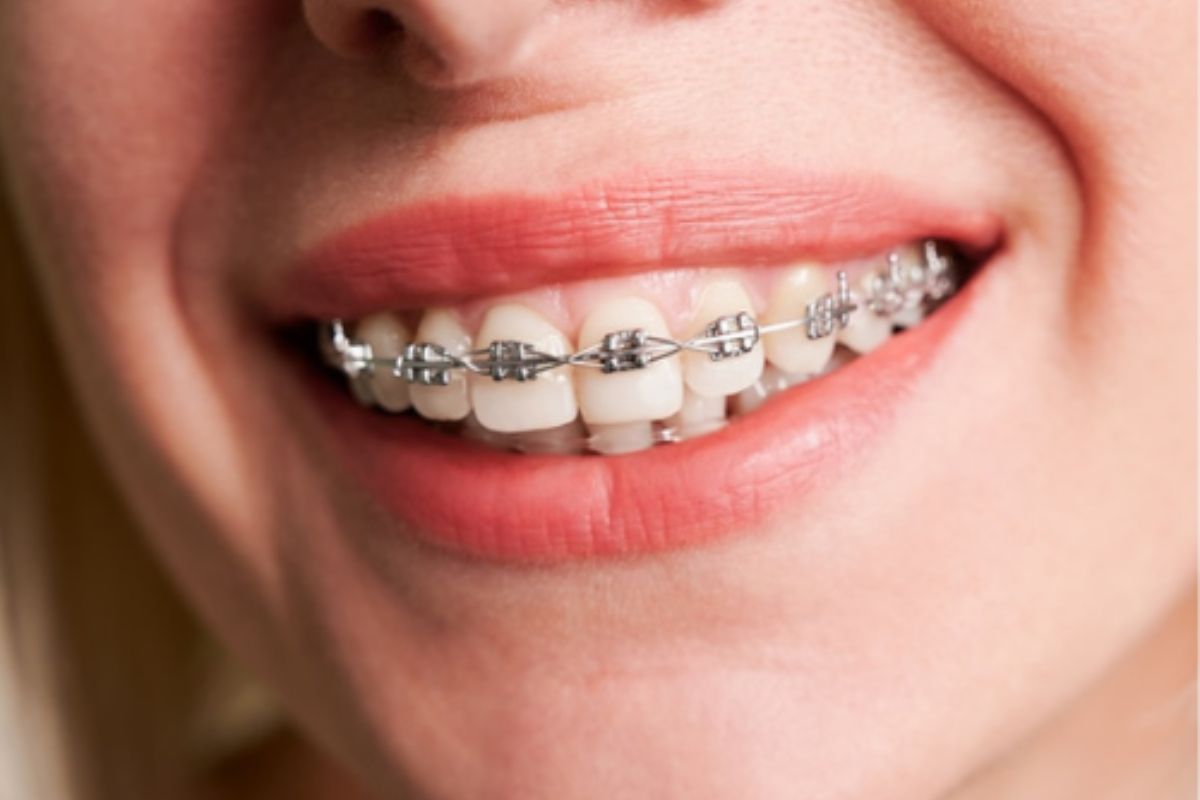
Brackets are small metal or ceramic squares bonded to each tooth to hold the archwire in place. If a bracket becomes loose or breaks, it can cause discomfort and slow down your treatment progress.
What Causes It?
- Eating hard, sticky, or crunchy foods
- Accidental trauma (like getting hit in the mouth)
- Poor bonding due to excessive saliva during application
What to Do?
- If the bracket is still attached to the wire, leave it in place and cover it with orthodontic wax to prevent irritation.
- If it has completely detached, store it in a safe place and bring it to your next appointment.
- Avoid touching or playing with the bracket to prevent further damage.
2. Poking or Protruding Wires
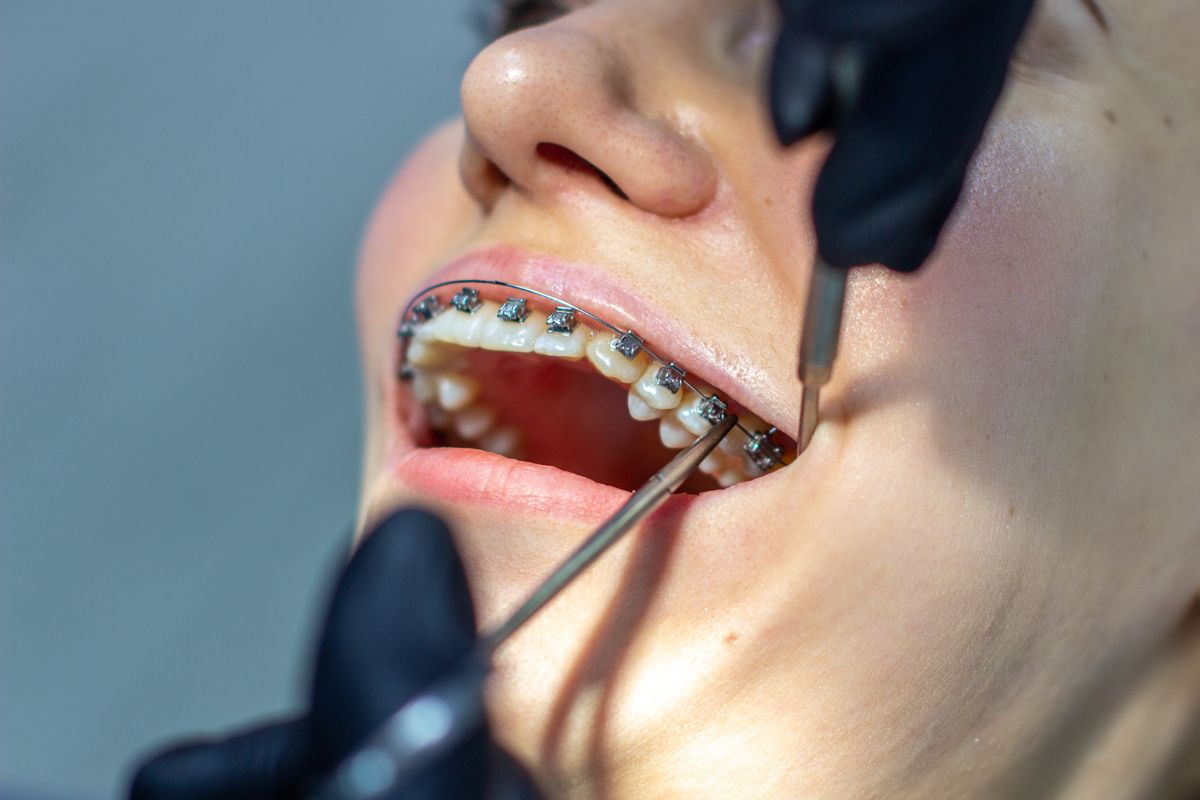
Sometimes, the ends of orthodontic wires can shift, causing them to poke the inside of your cheeks or gums. This can be uncomfortable and even lead to small cuts or sores.
What Causes It?
- Shifting of wires due to tooth movement
- Wire breakage or slipping out of the bracket
- Biting or chewing hard foods that disrupt the wire’s position
What to Do?
- Use orthodontic wax to cover the sharp end and protect your mouth.
- If the wire is long enough, you can try using a clean nail clipper to carefully trim the excess.
- Use the eraser end of a pencil to gently push the wire back into a comfortable position.
- If the irritation persists, contact your orthodontist.
3. Loose or Lost Bands
Bands are the metal rings placed around molars to provide extra support for braces in Darien. If a band becomes loose or falls off, it can compromise your treatment.
What to Do?
- If the band is still partially attached, avoid pulling on it and let your orthodontist adjust it.
- If it falls off, keep it safe and bring it to your next appointment.
- Do not attempt to glue it back yourself, as this can cause complications.
4. Severe Soreness or Pain
Mild soreness after getting braces tightened is normal, but severe pain that doesn’t go away may indicate an issue.
What Causes It?
- Normal adjustment discomfort
- Unusual pressure from shifting teeth
- An underlying dental problem like a cavity or infection
What to Do?
- Take over-the-counter pain relievers as directed.
- Rinse with warm salt water to soothe sore gums.
- Stick to soft foods until the discomfort subsides.
- If the pain is intense or persistent, schedule an appointment with your orthodontist.
5. Lost or Damaged Retainers
After completing orthodontic treatment, wearing a retainer is crucial for keeping teeth in their new positions. If your retainer breaks or goes missing, your teeth may begin shifting.
What to Do?
- If your retainer cracks, stop wearing it and contact your orthodontist for a replacement.
- If you lose your retainer, schedule an appointment as soon as possible to prevent teeth from moving.
- Keep a backup retainer if possible, especially if you have a history of misplacing them.
Orthodontic emergencies can be uncomfortable, but knowing how to handle them can make all the difference. Whether you’re dealing with a broken bracket, a poking wire, or a lost retainer, taking quick action will help prevent complications and keep your treatment on track. If you ever experience a severe orthodontic issue, don’t hesitate to contact an orthodontist near you for professional care. With the right support, you’ll be back to smiling confidently in no time!