Darien Location
Correcting Crowding with Orthodontic Treatment


While there are many aesthetic benefits to having aligned teeth, a straight smile can also dramatically impact a person’s oral health and function. Crowded teeth pose many risks and should be addressed by a dental professional. Regardless of how severe, crowding can make your teeth difficult to clean and therefore requires special attention.
Not to worry – if you have crooked or spacing issues, you’re not alone. Having a misalignment is quite common. In fact, approximately 70% of the US population has some type of misalignments such as spacing, crossbite, overbite, or crowded teeth.
One of the most common causes of crowding is genetics. The DNA of parents strongly contributes to the formation and function of your jaw in teeth, so if two parents have crowded or crooked teeth, their children likely would too. Another common cause of crowding is improper healing from an injury such as a jaw fracture.
Crowded teeth are particularly common in those under the age of twenty-five. This age group experiences a lot of dental developments: children whose teeth are first coming in, pre-teens getting their 12-year-old molars, and teenagers/young adults getting their wisdom teeth. When new teeth come in, there must be space for them to grow. Sometimes there isn’t enough, and sometimes the teeth naturally come in at an improper angle. When either scenario occurs, these new teeth tend to push the existing teeth out of (or into a worsened) position.
Certain childhood habits have also been known to increase the risk of having crowded teeth. For example, sucking one’s thumb can widen the space between the upper front teeth, and crowding teeth in the back. Children that suck on their lower lip tend to crowd the front teeth of their lower jaw. And if a child breathes through his or her mouth, the tongue may lie farther back which can cause front teeth to “fall into the mouth”. With time, practice, and professional attention, the dental consequences of these habits can be fixed.
It’s important to have your crowding issue looked at by a dental professional. When teeth become misaligned, they become harder to clean and you may start to notice you have bad breath. The formation creates crevices and hidden surfaces that the bristles on your toothbrush just can’t reach. When this happens, bacteria build in these spaces, and your chances of developing gum disease and cavities can drastically increase.
Additionally, some cases of crooked or crowded teeth have been known to result in speech difficulties, particularly in younger children. When your teeth are misaligned, they can impact the way you articulate sound.
Crowding can be damaging to the surrounding teeth as well. Crooked teeth can cause, bite problems, uneven tooth wear, and put more pressure on teeth, gums, and your jaw muscles. This can lead to jaw strain, chronic headaches, cracked teeth, or temporomandibular joint disorder (TMJ).
In severe cases where a patient does not seek professional dental assistance, bacteria can build up, possibly spread, and cause more severe complications. Studies have shown that oral infections and bad bacteria can lead to other serious illnesses, such as heart disease, stroke, and diabetes. It’s important to make sure your teeth are receiving the proper treatment and dental examinations to prevent serious complications from occurring.
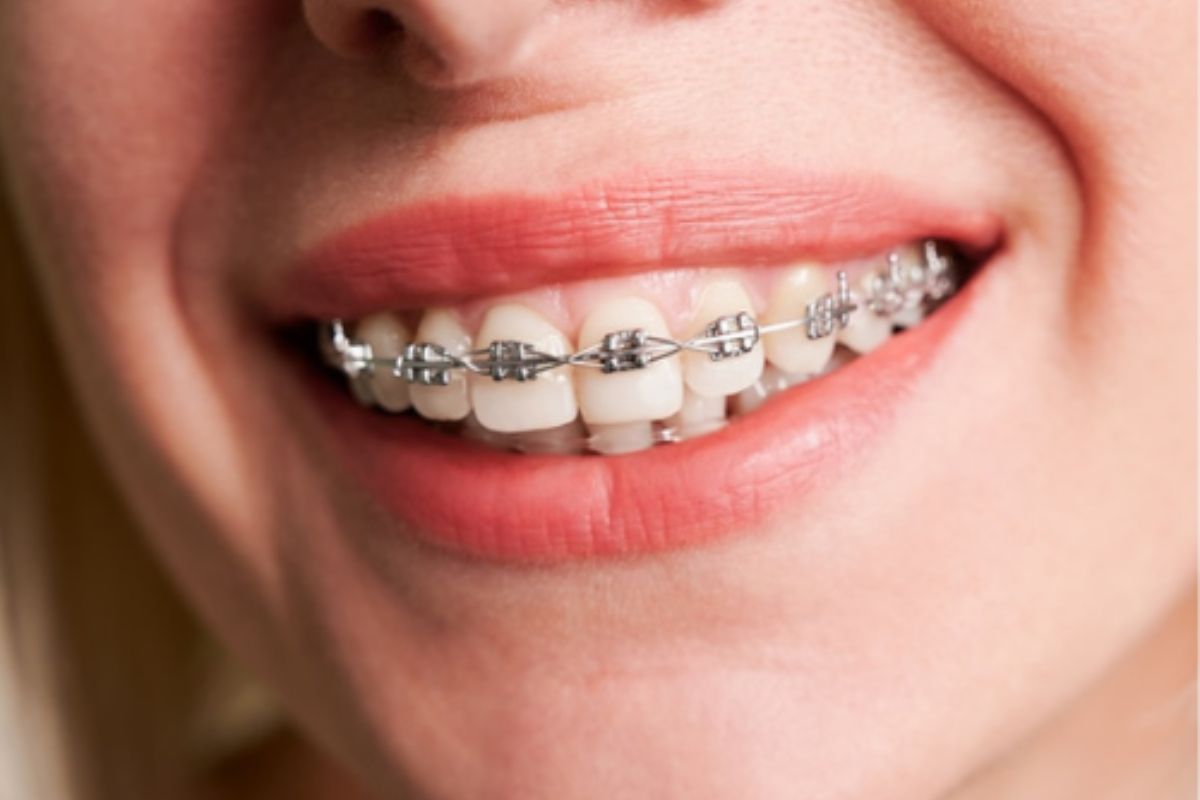
Fortunately, there are a variety of treatment options for teeth misalignment. Treatment for crowded or crooked teeth is specialized – no crowding scenario is exactly like the other. The range of options can include braces, invisible aligners, and cosmetic dental work. Orthodontic treatment uses these appliances to place gentle force on your teeth in a controlled direction, and eventually into the desired position for the easy-to-clean smile you want.
Orthodontic appliances can be made of metal, ceramic, or plastic. In the case of braces, treatment time typically ranges from one to three years depending on the growth of the patient’s mouth and the severity of the problem. After your braces come off, you’ll likely have to wear a retainer for at least a year. This form of treatment requires meticulous attention to oral hygiene and some dietary restrictions.
If your teeth are crooked due to minor crowding, a retainer may provide a dental solution without all the extra work and maintenance (and discomfort) that may accompany wearing braces. A retainer provides the necessary pressure to move crowded teeth, but it is not designed to straighten individual teeth. There are two types of retainers: removable and fixed.
Fixed retainers are attached to the surface of teeth with dental cement and often work to push the teeth outward. Removable retainers are made from a dental impression of your teeth. They’re usually made from acrylic and allow you to remove them when you eat or brush your teeth.
Making sure your teeth misalignment is corrected is important for your overall health. If you’re tired of hiding your smile due to crowding issues or starting to experience pain, visit Blue Wave Orthodontics. Our team of dental experts is ready to help you start the journey to getting the beautiful, healthy smile you want. For more information on our alignment services, visit us online or give us a call at (914)967-2277(RYE) or (203)202-7610(DARIEN).